
Français – عربي – ⵜⴰⵎⴰⵣⵉⵖⵜ – English
Twelve remarkable women in the ancient history of North Africa

The Amazigh, the first North Africans
Introduction: The first inhabitants of North Africa: the Amazigh
The various names of the Amazigh during Antiquity
Getulians and Garamantes: the Amazigh in the Sahara
Yennayer: the Amazigh New Year
Introduction: The Libyan Amazighs in Egyptian history
– Pharaoh’s Dogs: The Oldest Inscription in the Amazigh Language?
– King Solomon’s wife: a Libyan princess?
– Shishak/Sheshonq: a Libyan Pharaoh in the Bible
– Inaros of Arthribis : a Libyan prince who became a ancient Egyptian hero
– Inaros of Sais: the Egyptian Prince of Libyan origin who rebelled against the Persians
Book presentation: The Libyan Pharaohs of Egypt, by Aidan Dodson
Is Tifinagh Script the Most Ancient Alphabet in the World?
Couscous & tajine: history of North African cuisine
The khamsa: an emblematic symbol of North Africa
Is sardine originally an Amazigh word?
Were the Sherden an Amazigh people from Sardinia?
North African pottery: a thousand-year-old art
Amazigh carpets: a witness to the history of a people
Iconic animals of North Africa: the Atlas Lion and the Barbary ape
The Guanche: the Amazigh of the Canary Islands
The Blue Men of the Desert: History of the Tuareg
The introduction of the camel: the birth of trans-Saharan trade
– Ghadames, the Pearl of the Desert: a cultural crossroads
– Awjila: an Amazigh oasis in the Libyan desert
– The first inhabitants of the Kufra Oasis
The Laguatans: conquerors from the desert
– Zenaga: an indigenous language of Southern Mauritania
– Zenaga place names in Mauritania
The Amazigh tribes of the Sahara in the Vandal era
Shefa Salem: a Libyan artist, inspired by the history of her country

Introduction: Sailors and salesmen: the Phoenician colonies in North Africa
Utica: the first Phoenician colony in North Africa
Tripolitania, from the Phoenicians to the Romans
At the end of the world: the cities around the Straight of Gibraltar
The Phoenician alphabet in North Africa
– A gift from heaven: history of the olive tree in North Africa
– Vine cultivation: from the Phoenician shores to the North African terroir
– Bread of the desert: date cultivation in North Africa
– Figs and pomegranates: two fruits brought to North Africa by the Phoenicians
– Red gold: saffron, a thousand-year-old cultivation
Tamusiga: the ancient city of Essaouira
Agadir: Amazigh city and Phoenician counter
Carthage to the rescue of Phoenicia
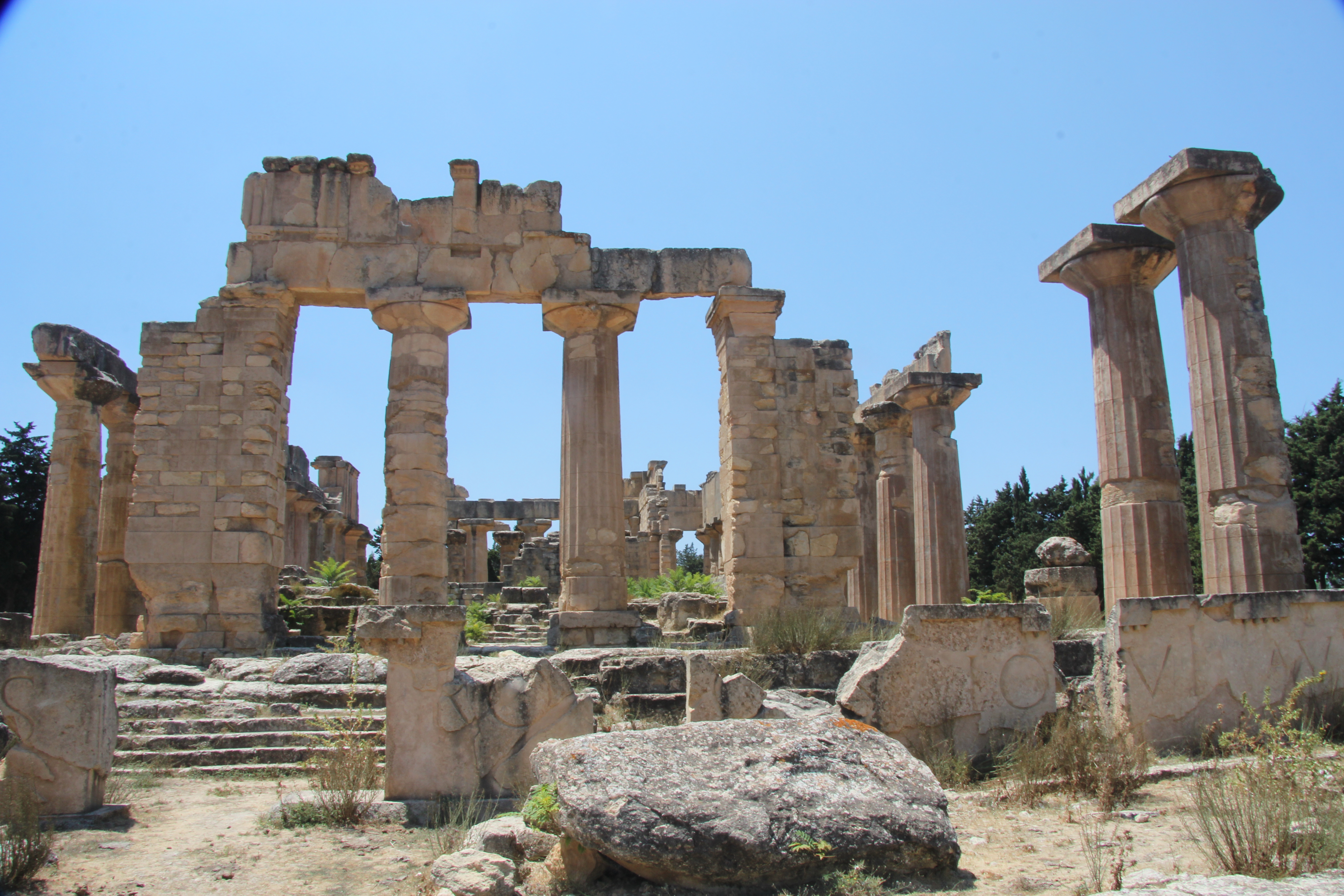
Introduction: Cyrenaica: a Greek colony in Libya
North Africa in Greek mythology
The Libyan Amazons, between myth and history
Dorieus of Sparta: a Greek prince in Libya
Alexandria: a Greek city in Egypt
Agathocles of Syracuse: the Greek tyrant who besieged Carthage
The list of winners of the Olympic Games given by a North African historian
Summary: History of Cyrenaica
– The Battiad dynasty: the first kings of Cyrene
– The Persian conquest of Cyrenaica
– Arcesilaus IV of Cyrene: chariot race champion at the Pythian Games
– Thibron the Spartan: a revolt in Cyrenaica after the death of Alexander the Great
– Magas of Cyrene and the Kingdom of Cyrenaica
– Aretaphila of Cyrene: the liberator of Cyrene
– Roman Cyrenaica
Green gold of Libya: silphium, a very precious plant
– The Cyrenaics: a North African philosophical school
– Great Cyrenean minds: Callimachus, the poet of simplicity
– Great Cyrenean minds: Eratosthenes, the founder of geography
Holy Fire: a Mazdean influence on Greek temples in Cyrenaica during the Persian era?
The other cities of Cyrenaica
– Euhesperides/Berenice, the ancient Benghazi
– Ptolemais, the new capital
– Apollonia, the port city of Cyrene
– Taucheira/Arsinoe, the forgotten city
– Barca, the Greek-Libyan city
– Balagrae, the sanctuary of healing
The Bactrian Greeks: a Libyan origin
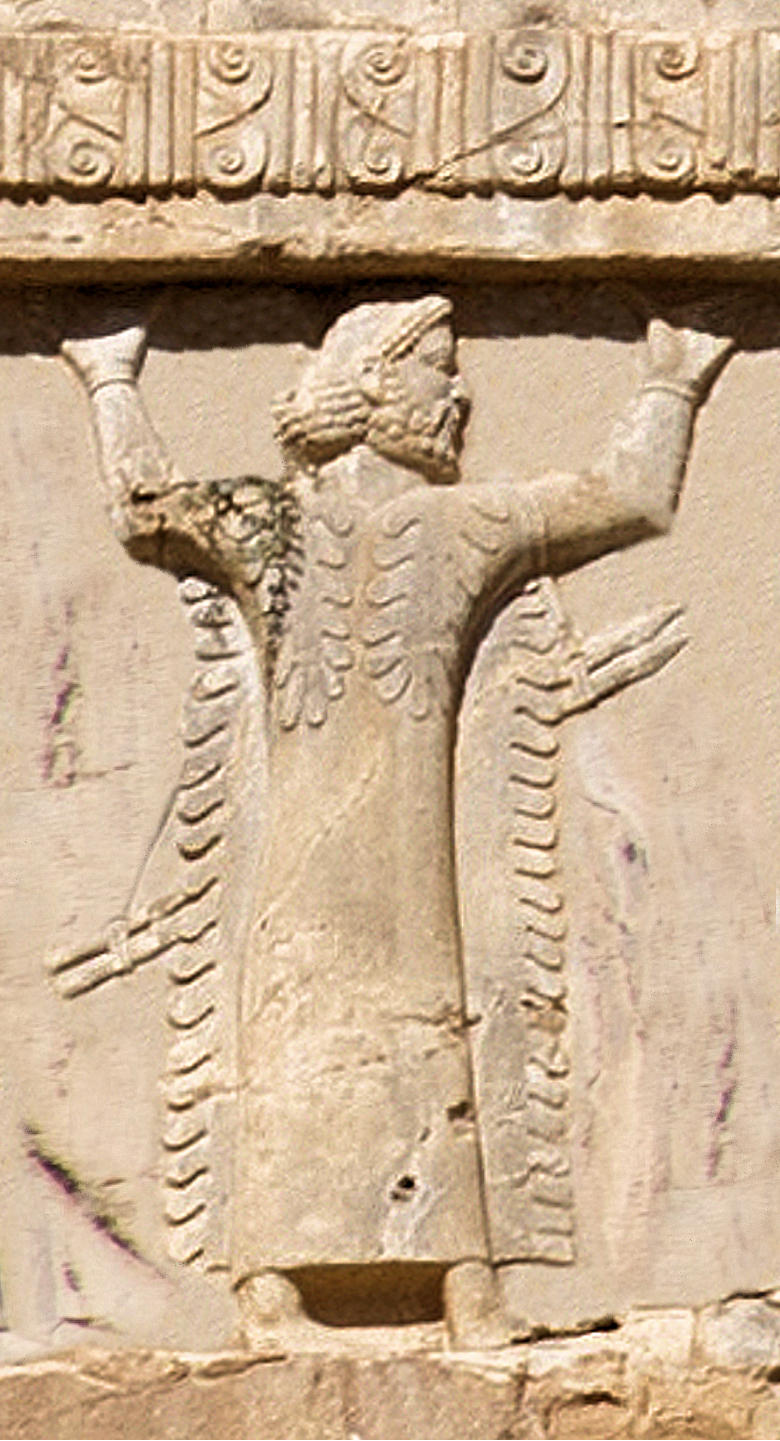
The Persian conquest of Cyrenaica
The lost army of the King of Persia
Holy Fire: a Mazdean influence on Greek temples in Cyrenaica during the Persian era?
The Canal of the Pharaohs: the ancient Suez Channel
Inaros of Sais: the Egyptian Prince of Libyan origin who rebelled against the Persians
Light and darkness: Manichaeism in North Africa
Red gold: saffron, a thousand-year-old cultivation

Carthage and the Carthaginian Empire
Introduction: The Carthaginian Empire: the first major North African power
The legend of Dido: the founding of Carthage
The Carthaginian society: a fledgling democracy?
The Battle of Himera: a defeat with heavy consequences
Did the Carthaginians practice human sacrifice?
Is Carthage the biblical Tarshish?
Hanno and Himilco: the great Carthaginian explorers
Metal Island: Carthaginians in Britain
Arae Philaenorum: the border between Tripolitania and Cyrenaica
The Etruscans: Italian allies of Carthage
Kerkouane: a Punic city on the Cape Bon
The Necropolis of the Rabs: a Punic funerary site
Carthaginian books: a lost literature
The Sicilian Wars: Carthage vs Syracuse
– A Carthaginian in Sicily: the suffete Mago in Syracuse
– A new enemy: Pyrrhus of Epirus fights Carthage
Hamilcar the Rhodian: a Carthaginian spy in Alexander the Great’s army
Hannibal the Rhodian: a Carthaginian blockade runner
Summary: The Punic Wars: Carthage vs Rome
– The First Punic War (264-241): battle for Sicily
– The Mercenary War: Africa rebels against Carthage
– Carthaginian Iberia: A New Carthage
– The Second Punic War (218-201): Hannibal’s revenge
– Divide and conquer: the Amazigh kings during the Punic Wars
– The defeated general: Hannibal after the Second Punic War
– The Numidian-Carthaginian War: Carthage’s last stand
– The Third Punic War (149-146) and the destruction of Carthage
– Carthage and the Punic Wars in Virgil’s Aeneid
Ghorfa Steles: the Punic heritage in the Roman era

Amazigh Kingdoms before the Arab invasions
Introduction: The Amazigh kingdoms, in the shadow of Carthage and Rome
The Medracen: the oldest North African mausoleum
Hiarbas: a Numidian King in the Aeneid
Divide and conquer: the Amazigh kings during the Punic Wars
Succession conflict in Numidia: Massinissa becomes king
The Kingdom of Massinissa: the Golden Age of Numidia
– The role of Massinissa during the Macedonian Wars
– King Massinissa’s gift of wheat to a Greek island
Mastanabal, the Numidian prince who became chariot race champion
Three Princes for One Kingdom : The Succession of Massinissa
Jugurtha the Eternal: the Numidian King who made Rome tremble
The son of Jugurtha: Oxyntas during the Social War
Hiarbas and Mithridates: an anti-Roman alliance
A Numidian king in Greece: a statue of Hiempsal in Rhodes
Mastanesosus, Iephtas, and Ascalis: an independent Kingdom of Tingis
The last kings of Numidia and Mauretania
Eunoë, Queen of Mauretania, lover of Julius Caesar
Juba II, heir of Massinissa, King of Mauretania
– Juba II and Gaius Caesar: the King of Mauretania at the service of Roman diplomacy
– An erudite king: the literary works of Juba II
Drusilla: a mysterious Mauretanian Princess
The Canusium statuette: a wounded Numidian soldier

Introduction: Romans in North Africa… and Africans in Rome
Colonia Junonia: a Roman colony on the site of Carthage
The goddess Africa: an incarnation of the continent
The new Carthage: a rebuilt Roman city
The Punic wars in Roman literature: Punica, by Silius Italicus
Strabo: a Roman geographer describes North Africa
The Roman conquest of North Africa
The Roman provinces of North Africa
North Africa in Roman mythology
Roman history in North Africa
Sulla’s Civil War: the Shadow of a Dictatorship
A Roman intrigue: the Catilinarian conspirary
The Roman Civil War in Africa: Caesar VS Pompey
The Third Man: Lepidus in Africa during the Second Triumvirate
The Actium War: the last Roman civil war
The death of Nero: Roman Africa during the 68-70 crisis
Did Spartacus have Numidian origins?
Tacfarinas and Aedemon: the Amazigh uprisings against Rome
Lucceius Albinus: the Roman governor who proclaimed himself King of Mauretania
The great Roman Africans
– The great Roman Africans: Fronto, imperial preceptor
– The great Roman Africans: Lucius Quietus, the Moorish prince who became a Roman general
The Aurelian Moors: Moorish soldiers in Roman Britain
Laetus: the North African soldier who killed Emperor Commodus
The El Jem Amphitheater: the largest Roman amphitheater in North Africa
The Virgil mosaic: a Roman mosaic in Tunisia
The ‘Harvester of Makthar’ inscription: the testimony of a farmer who became a Senator
The Roman Emperors from North Africa
– Didius Julianus: an African Emperor before Septimius Severus?
– Albinus: the first African claimant to the Imperial throne
– Septimius Severus: a North African Emperor
– Caracalla: A Universalist Emperor
– Severan architecture: a second golden age of Roman architecture
– Macrinus: power to Africa
– The Gordian Dynasty: An African Rebellion
– Sabinianus: a North African claimant to the Imperial throne
– Aemilianus: the last Roman Emperor of African origin
– Celsus: a North African usurper in the Historia Augusta
– Carus, Carinus and Numerian: an African Imperial dynasty?
– The North African Empresses
– Domitius Alexander: a North African usurper
– Heraclianus: the governor of Africa who claimed the Imperial throne
– Terence: the master of Roman comedy
– Apuleius: the author of the first Latin novel
Panem et Circenses: North African Gladiators, Athletes and Actors in the Roman World
The conquests of Septimius Severus in the Sahara
Roman Africa during the Third Century crisis
– The Gordian Dynasty: An African Rebellion
– Bavares and Baquates: the 3rd-Century Amazigh rebellions
Emperor Diocletian’s father: the freedman of a North African Senator?
The Roman mosaics of Gafsa: an exceptional heritage
Marius Victorinus: a North African Neoplatonist philosopher
Domitius Alexander: a North African usurper
Roman expeditions in Sub-Saharan Africa
Macrobius: the last great Roman African writer
Maximus of Madaura: the last great North African rhetorician
African Romance: A Latin-Derived Language in North Africa
– Volubilis: an Amazigh city
– Tamusiga: the ancient city of Essaouira
– Icosium: the ancient city of Algiers
– Sirte: the last Punic city
– The three Roman cities of Libya: Leptis Magna, the African Rome
– The three Roman cities of Libya: Oea, the ancient Tripoli
– The year when Oea waged war against Leptis Magna
– The three Roman cities of Libya: Sabratha, theater, temples and sea
The Punic language in late Antiquity
The sons of Nubel the Moor: Firmus’ and Gildo’s uprisings
Aelius Donatus: a Roman African grammarian
The 365 earthquake: a devastating natural disaster
Martianus Capella: The North African Author Who Influenced the Medieval World
Synesius of Cyrene: a Neoplatonic philosopher from Cyrene
Hypatia: the last philosopher of Alexandria
Priscian of Caesarea: a North African grammarian in Constantinople
The late Roman Empire
– Heraclianus: the governor of Africa who claimed the Imperial throne
– Marcellinus: a Roman administrator in Carthage
– Bonifatius: the last Roman governor of Africa
– Zerco: the Moorish dwarf of the King of the Huns
– Marcian: the future Emperor who was a prisoner of the Vandals
– Eudocia: a Roman Princess in Carthage
– Majorian: The Roman Emperor Who Tried to Reconquer North Africa
– The Battle of Cape Bon: the last Roman defeat in Africa

Introduction: A wandering people: the Jews in North Africa
The Jews of Djerba: the oldest Jewish community in North Africa
Alexandria’s Jewish and Christian communities
History of the Jews of Cyrenaica
The Temple of Onias: a Jewish Temple in Egypt
History of the Jews in Carthage
The Moroccan Jews: A Thousand-Year History
The troglodyte Jews of the Libyan desert
Amazigh Jews: tribes converted to Judaism?
The Kitos War: a Jewish uprising in Cyrenaica
Tafaska: the Amazigh name of Eid al-Adha comes from Pascha – Easter

Introduction: A new faith: Christianity in North Africa
Alexandria’s Jewish and Christian communities
The Christian martyrs: their blood is a seed
The Church of Cyrene: the first North African Christians
Vetus Latina: the first Latin Bible was translated in North Africa
The catacombs of Sousse: Christian tombs in Tunisia
The Seven Sleepers: an universal legend
Julius Africanus: a North African Christian scholar at the Imperial court
The three great North African Christian figures
– Tertullian, the father of the Latin church
– Cyprian, bishop of Carthage
– Augustine of Hippo, the Doctor of Grace
– A Forgotten Heritage: Churches and Other Christian Buildings of Ancient North Africa (1/3 – Tunisia)
– A Forgotten Heritage: Churches and Other Christian Buildings of Ancient North Africa (2/3 – Libya)
– A Forgotten Heritage: Churches and Other Christian Buildings of Ancient North Africa (3/3 – Algeria and Morocco)
Minucius Felix : a North African Christian apologist
The plague of Cyprian: an epidemic named after a North African bishop
Maximilian of Theveste: the first conscientious objector
Firmus of Thagaste: asylum in Roman Africa
Arnobius of Sicca: the conversion of a rhetorician
Lactantius: Defending Religious Tolerance in the Roman World
Arius the Libyan: an alternative Christian theology
The North African bishops of Rome
Sidi Yahya ben Younes: a Christian saint buried in Oudja?
The Desert Fathers: the first Christian monks
The Severan Basilica: a Roman civil building transformed into a church
Donatism: another North African Christianity
The Council of Carthage: the Canon of the Christian Sacred Scriptures defined in Carthage
Christianity beyond Roman Africa
Synesius of Cyrene: a Neoplatonic philosopher from Cyrene
Paulinus of Nola, slave of the Vandals in North Africa
The persecution of North African Christians by the Vandals
Fulgentius of Ruspe: the apostle of the Vandals
Fulgentius the Mythographer: mythological metaphores

Introduction: The Vandal conquest: a Germanic people in North Africa
Gaiseric: the Vandal King who conquered Africa
The other invader: the Alans in North Africa
The revenge of the Vandals: Gaiseric sacks Rome
Gaiseric the Vandal and Attila the Hun: a strategic alliance against Rome
– Zerco: the Moorish dwarf of the King of the Huns
The Battle of Cape Bon: the last Roman defeat in Africa
Did the Vandals really vandalize North Africa?
The persecution of North African Christians by the Vandals
Cabaon : an Amazigh chief’s uprising against the Vandals
The Goths in North Africa
– A Goth in Africa: Alaric’s plans to invade Carthage
– When the Goths tried to invade North Africa
– Amalafrida: a Gothic Princess in Carthage
– A Visigothic revolt: Gesalec in Carthage

The Byzantines in North Africa
Introduction: Vandals, Byzantines, and Moors: North Africa at the dawn of the Arab conquests

The Moors after the Roman departure
Introduction: Vandals, Byzantines, and Moors: North Africa at the dawn of the Arab conquests

The Amazigh and the Arab conquests
Introduction: Vandals, Byzantines, and Moors: North Africa at the dawn of the Arab conquests