

Français – عربي – ⵜⴰⵎⴰⵣⵉⵖⵜ – English
The first kings of Cyrene were the heirs of the city‘s founder, who reigned for two centuries. The prestige of their dynasty was such that over a century after the last king died, the poet Callimachus of Cyrene still proudly claimed to be a descendant of the Battiads.
Battus I

The leader of the Greek colonists who founded Cyrene was Battus (630-600). According to the Greek historian Herodotus, his name means “king” in the language of the local Amazigh tribes. In Greek, “battos” also means “stammering”, a less glorious, but more likely origin.
Battus was born on the island of Thera (Santorini). His family was of Cretan origin. According to legend, as the island was suffering from a strong drought that was threatening its inhabitants, the king of Thera consulted the Delphic oracle. The oracle told him to found a colony in Libya. As the king was too old to undertake such an enterprise, he charged Battus to accomplish this mission.
So Battus set sail for Libya, with a group of colonists. They first settled on an island off the Libyan coast, then on the continent, where they founded a city, which they called Cyrene.
Battus became the first king of Cyrene. He earned a reputation as a just and merciful king. During his reign, Cyrene enriched itself quickly, thanks to the natural resources in the surrounding region. After his death, his subjects venerated him as a hero. All the kings of Cyrene after him, until Alexander the Great, were his direct descendants.
The first Battiads
At Battus’ death, his son Arcesilaus (600-583) succeeded him. Not much is known of his reign.
The Cyrenean population started multiplying during the reign of his son Battus II (583-560). New colonists came from all over Greece, thanks to a Delphic oracle encouraging them to settle in the colony. Battus II also had to face a first attempted invasion by neighboring Egypt. Around 570, the Egyptian army was defeated by the Cyreneans, establishing the Greek sovereignty on the region.

The reign of his son Arcesilaus II (560-550) was less happy. His counselor Learchus (who, according to some sources, was also his brother) rebelled against him, fled, and founded the neighboring city of Barca (Marj). He made an alliance with the local Amazigh tribes, who were previously allied with Cyrene, depriving the king of precious allies. Together, they declared war on Cyrene. Learchus was victorious, killed the king, and took his throne. To strengthen his power, he wanted to marry Eryxo, the dead king’s widow. Eryxo, pretending to agree, invited Learchus into her bedroom, where she had hidden men to kill him.
The reforms of Demonax
After Learchus’ death, Battus III (550-530), son of Arcesilaus II, became king. The new king was aware of the instability in Cyrene after his father’s murder and the breaking of the alliance with the Amazigh tribes, and of the need for deep institutional reform. For this, he called on the reformer Demonax.
Demonax implemented a series of reforms, to make the Cyrenean society more democratic. These measures were inspired from other Greek legislators of the same time, like Solon of Athens and Lycurgus of Sparta. He created a Senate, composed of representatives of the various communities living in Cyrene, to vote laws and manage the city affairs. The king’s powers were significantly reduced.
The Persian era
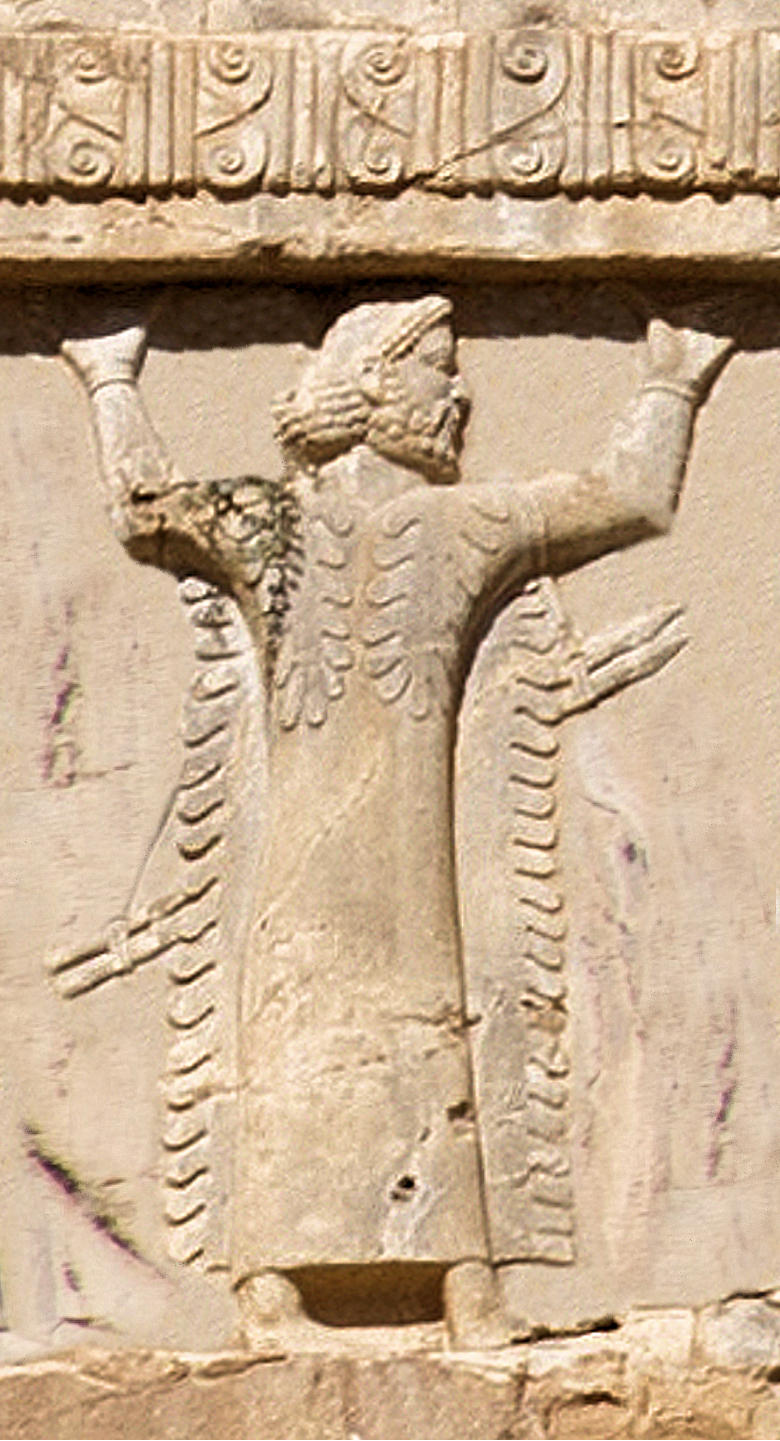
Battus III accepted those reforms, but his son and successor Arcesilaus III (530-515) tried to reestablish his royal powers. In 518, he claimed the restoration of all the powers Demonax’ reforms had deprived him from. This caused a rebellion by the people, forcing the king to flee. He came back to power, but was ultimately killed in 515. After his death, his mother Pheretima invited the Persians to enter Cyrene: this was the beginning of the Persian domination on Cyrenaica.
The three last kings of the Battiad dynasty, Battus IV (515-465) and his son Arcesilaus IV (465-440), were clients of the Persian Empire. In 462, Arcesilaus IV won the chariot race at the Pythian Games, in Delphi, with a team of Libyan horses. His reign became more and more tyrannical, so that he was overthrown, fled to Euhesperides (Benghazi), and was killed in 440. After his death, Cyrene became a Republic, still under Persian sovereignty.
