

Français – عربي – ⵜⴰⵎⴰⵣⵉⵖⵜ – English
The Severan dynasty, the first Roman imperial dynasty with African roots, supervised the construction of many prestigious buildings, in Rome, Africa, and elsewhere. The Severan era is sometimes considered as a “second golden age” of Roman architecture: while the Severan dynasty never could rival with the spirit of innovation and technical genius of their 1st-Century predecessors, their monumental constructions reflect the need for the Emperors to affirm their authority in an Empire that had become more immense than ever before.

In Rome

After his victory against the Persians, Septimius Severus built an Arch of Triumph, made of white marble, on the Roman Forum. The Arch of Septimius Severus, the most massive of all Roman Archs of Triumph, is 23m high and 25m large. This propaganda monument celebrates the power of Rome and the glory of its Emperor.
Septimius Severus also enlarged the Imperial Palace, on the Palatine Hill. The Domus Severiana, the residential and ceremonial space built by Septimius Severus, is the latest extension of the Imperial Palace.
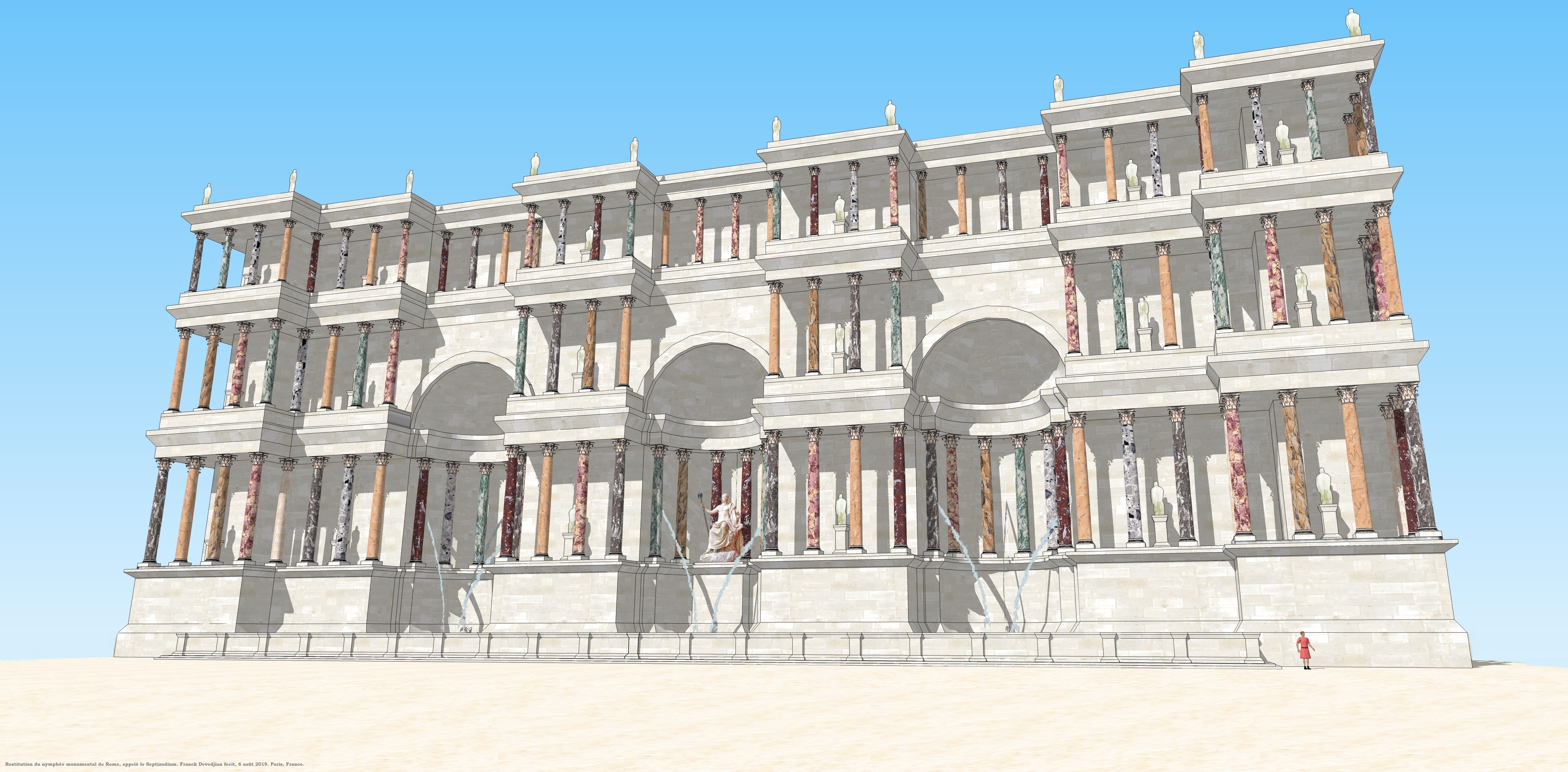
Finally, Septimius Severus built the Septizodium (or Septisolium, “seven suns”), a monumental facade, at the foot of Mount Palatine, facing the Via Appia, the main Roman road. The main goal of this monument was apparently to impress travelers who arrived in Rome from the South, especially those who came from Africa. The Septizodium no longer exists, but several representations have been preserved.
Caracalla, son of Septimius Severus, built the Baths of Caracalla, the largest baths in Rome, which can be seen on the cover picture of this article.
The Severan dynasty also enlarged the port of Ostia, Rome’s port city. Elsewhere in Italy, they built many public buildings, theaters, baths and warehouses.
In Leptis Magna
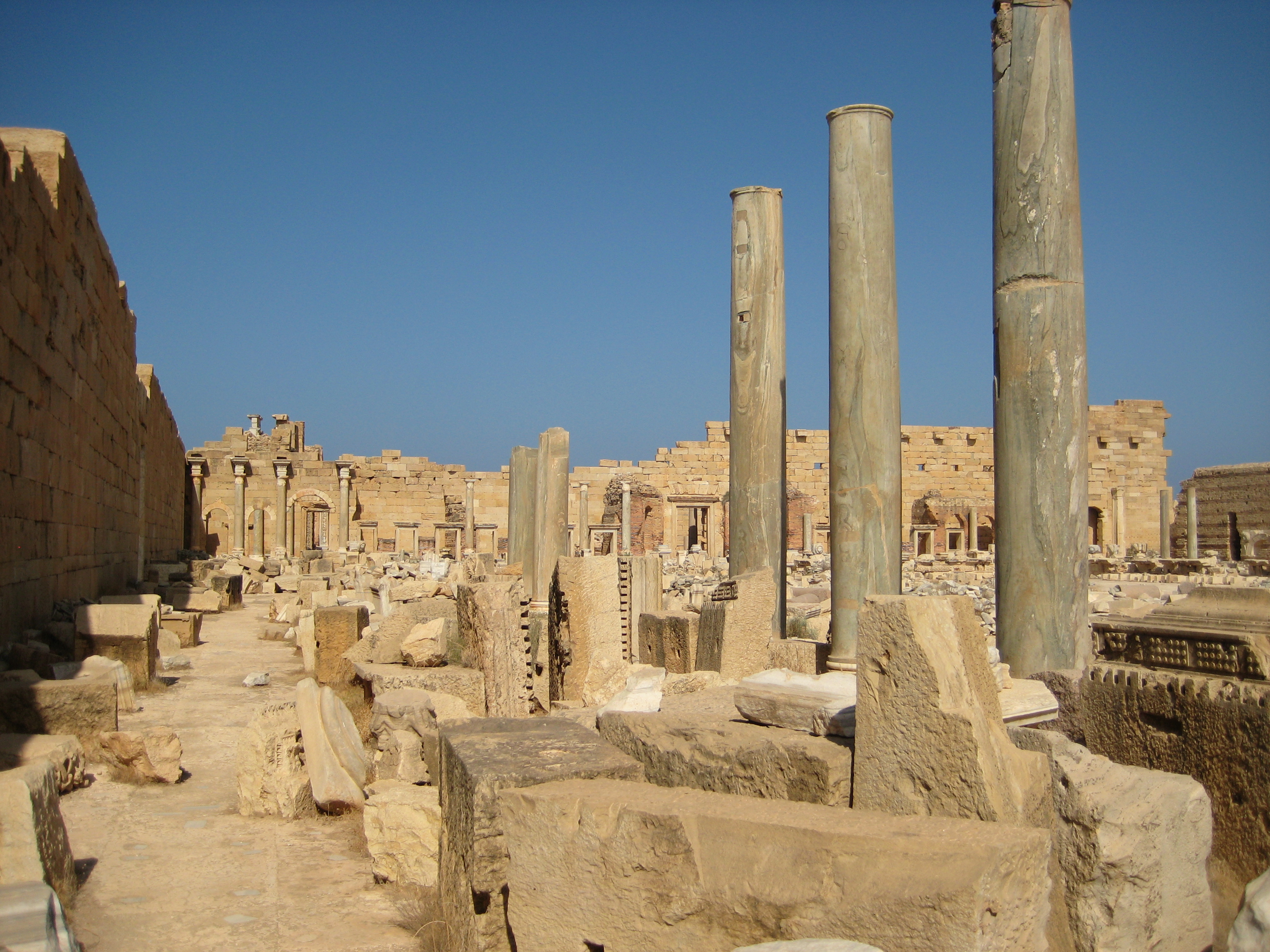
The birth city of Septimius Severus was considerably embellished during his reign. Septimius Severus made Tripolitania a fully autonomous Roman province, with Leptis Magna as capital. Many of the city’s most prestigious buildings were built by him.

When Septimius Severus visited Leptis Magna in 203, the city authorities built an arch in honor of his military exploits. The Emperor thanked them by building a vast new Forum, with a richly decorated Basilica (court of law), inspired from the Basilica Ulpia, in Rome. The construction of the Forum and Basilica was finished by Caracalla, Septimius Severus’ son and successor. The Severan Basilica was converted into a church in the Byzantine era.
Septimius Severus also rebuilt and enlarged the port of Leptis Magna, in order to develop trade.
Finally, he built new fortifications on the Southern border of Roman Africa, in order to protect Roman territory against attacks by the Saharan Amazigh tribes.
In Syria

Empress Julia Domna, Septimius Severus’ wife and Caracalla’s mother, was from Syria, and the region benefited a lot from the Imperial family’s magnanimity.

In the glorious city of Palmyra, the Severan dynasty renovated and enlarged several of the city’s emblematic buildings, which had already been built before their time: the Temple of Bel, the Great Colonnade and the Monumental Arch.
In Emesa (Homs), the native city of Julia Domna, the Severan dynasty enlarged the Temple of Elagabalus, a Syrian god of the sun. Julia Domna’s father was the high priest of Elagabalus. This temple no longer exists: its site is now occupied by the Umayyad Mosque of Homs.
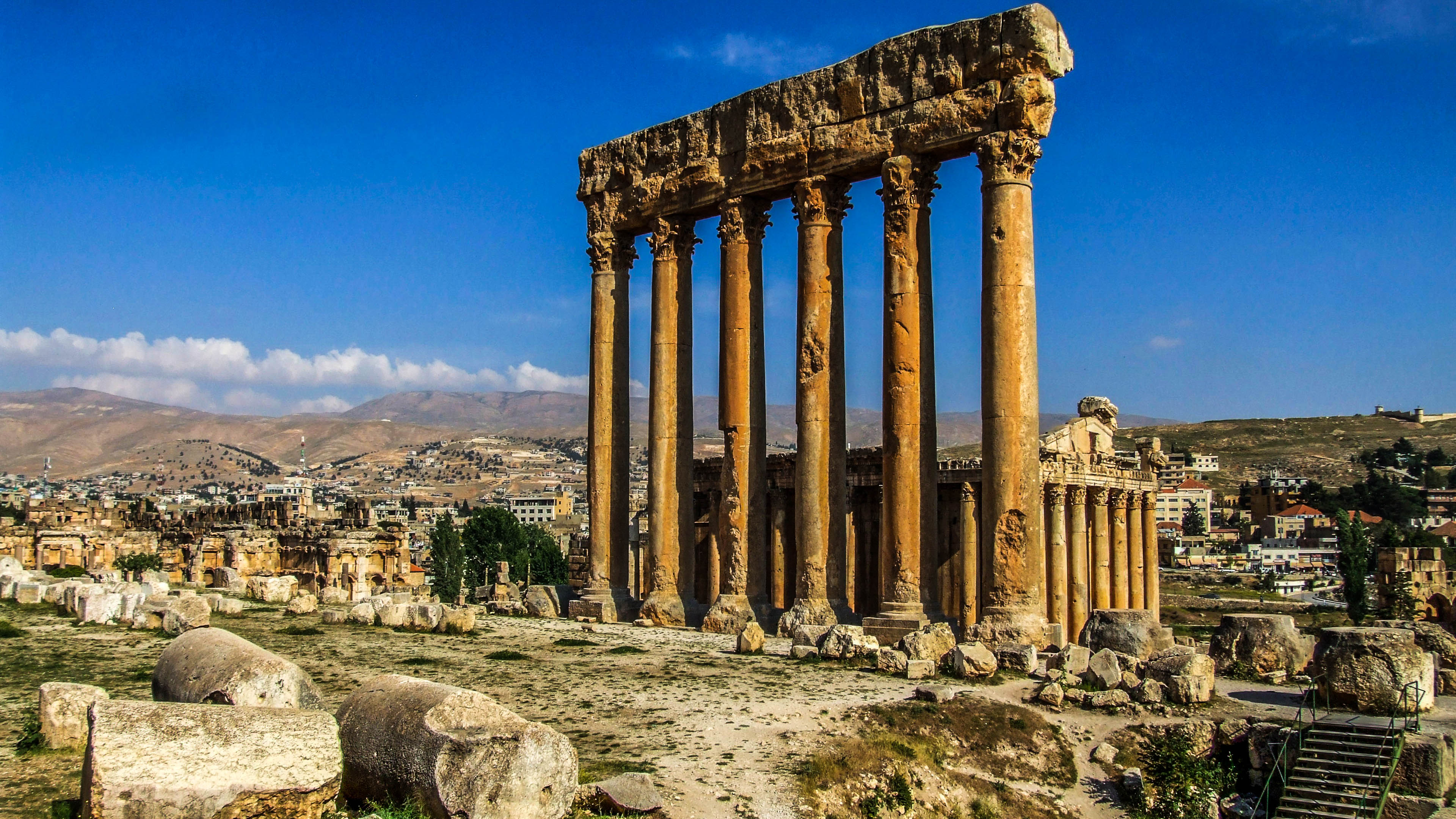
Finally, the Severan dynasty renovated the Temple of Jupiter in Baalbek, modern-day Lebanon, the second-largest temple in the world after the Temple of Venus in Rome.
Elsewhere in the Empire
In Alexandria, Egypt, Septimius Severus and Caracalla renovated the Serapion, the temple of Serapis, the city’s tutelar god.
In Britain, Septimius Severus restored and enlarged Hadrian’s wall.
The Severan dynasty also built many fortresses on the Danube, which constituted the Northern border of the Empire, as well as several bridges over the river.
