

Français – عربي – ⵜⴰⵎⴰⵣⵉⵖⵜ – English
Inaros was an Egyptian Prince of Libyan origin. In the 5th Century BCE, during the Persian occupation of Egypt, Inaros, who was probably related to the old Pharaonic dynasty that had been overthrown by the Persians, led a rebellion against the Persian Emperor Artaxerxes. He was supported by the Greeks of the Delian League, a confederation led by Athens.

Who was Inaros?

Inaros was the Prince of the city of Sais, in the Nile Delta. He reigned over a territory extending from Sais to Marea, on the Mediterranean coast. Sais was an important Egyptian city and had been the base of the fallen Pharaonic dynasty. Inaros’ father was called Psamtik, like the Pharaoh who had been overthrown by the Persians, which means he might have been his descendant.
Greek historian Herodotus mentions that Inaros was of Libyan origin. The 26th Pharaonic dynasty, which was defeated by the Persians, is sometimes described as Libyan, but this is uncertain. Anyway, his territory was part of the regions inhabited by Libyan tribes, so his subjects were Libyan.
Inaros is often confused with another Inaros, who lived two centuries before him: Inaros of Arthribis, an Egyptian Prince, also of Libyan origin, who revolted against the Assyrian occupation of Egypt. The legendary stories about them mix elements of both of their lives. To distinguish them, historians call them Inaros I and Inaros II.
Inaros’ insurgency

Around 460 BCE, Inaros expelled the imperial tax collectors from his territory, and started raising an army to revolt against the Roman Empire.
For his revolt, Inaros allied with Amyrtaeus, a neighboring Prince, who controlled the marshlands to the North of the Nile Delta, an area that was very difficult to enter for foreign armies. Most specialists believe that this Amyrtaeus was related to the future Pharaoh Amyrtaeus, who, about 60 years later, defeated the Persians and restored Egyptian sovereignty.

Inaros was also supported by the Delian League, a confederation of Greek cities led by Athens, that was hostile to the Persians. The Delian League sent a fleet of 200 ships to support Inaros, led by the Athenian general Charitimides.
After the Athenians arrived, the rebel alliance led by Inaros fought an army of 400.000 Persian soldiers, led y Achemenes, the brother of Emperor Artaxerxes, at the Battle of Papremis. The Persians were defeated and forced to retreat. Shortly later, the Athenians fought the Persian fleet and destroyed it.
The insurgents then besieged the city of Memphis, where the survivors of the Persian army had fled. The siege lasted for years. Emperor Artaxerxes sent a messenger to Sparta, in Greece, to try to convince the Spartans, who were historical enemies of the Athenians, to attack Athens in order to force the Athenian fleet to withdraw from Egypt. When the Spartans refused, Artaxerxes sent a large army to Egypt, to fight the insurgents.
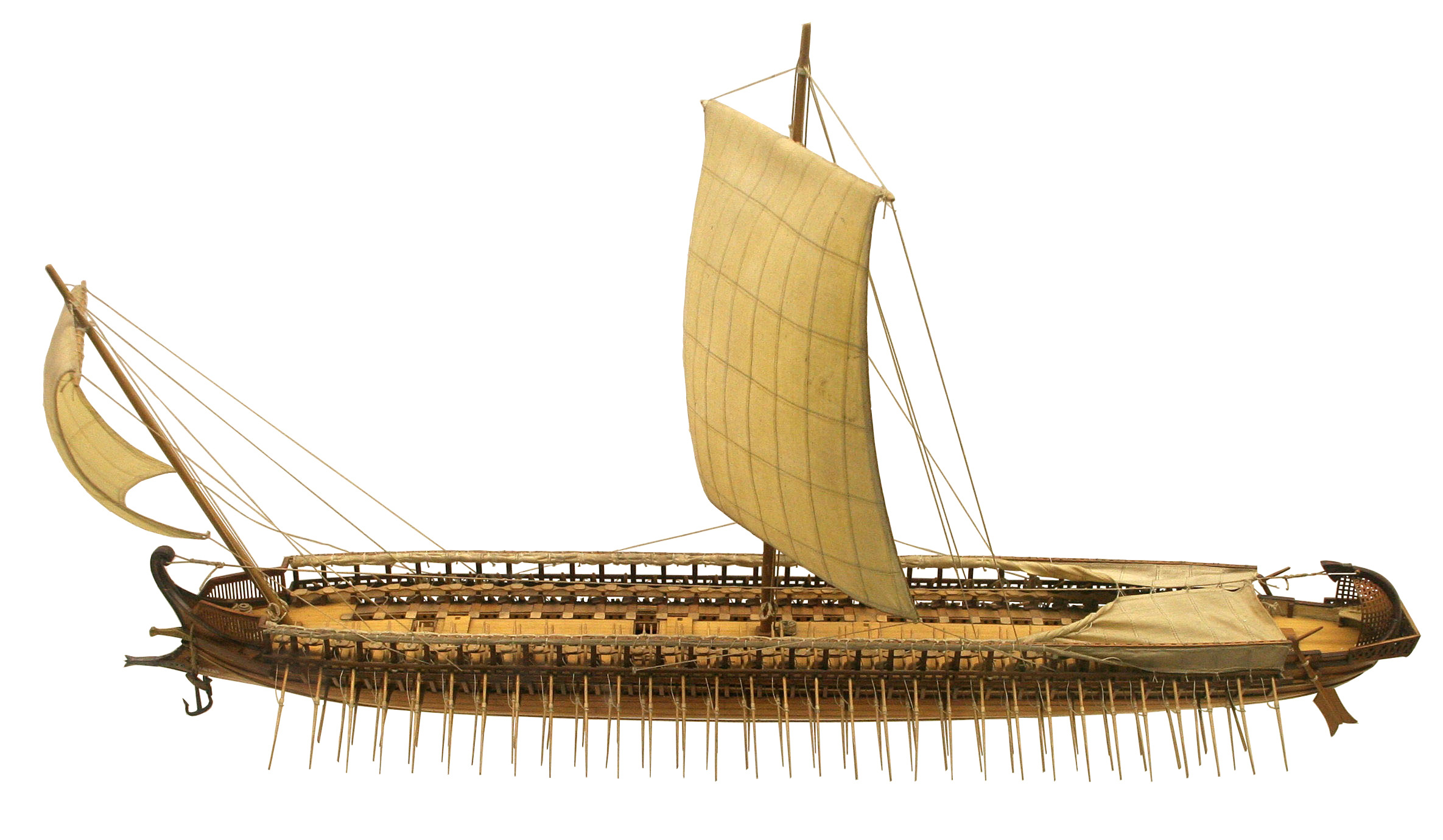
When the new Persian army arrived, the insurgents were defeated and forced to lift the siege of Memphis. The Athenians fled to the island of Prosopitis, in the Nile Delta, where they moored their fleet. The Persians besieged the island for 18 months. At the end, they managed to connect the island to the continent by building channels to drain the river, enabling them to cross. The Greeks were defeated and massacred: only a few survivors managed to flee to Cyrene, from where they returned to Athens by sea.
A new Greek army, sent from Athens to help the fighters besieged in Prosopitis, was also destroyed.
Inaros, defeated and wounded, fled to Papremis, his last fortress in the Nile Delta marshes. After keeping up the resistance for one year, he was defeated and captured. He was imprisoned in Susa, capital of the Persian Empire, where he was executed in 454.
Conclusion
Despite its final failure, Inaros’ insurgency was the largest Egyptian uprising against Persian occupation. Greek historian Herodotus claims that Inaros did more harm to the Persians than anyone else before him.
Inaros’ defeat caused a panic in Greece, leading the Delian League to relocate their treasure from the island of Delos to Athens.
Around sixty years later, the Egyptian Prince Amyrtaeus (who might have been a descendant of Inaros’ ally) defeated the Persians and restored Egyptian sovereignty. He became Pharaoh and founded a new dynasty.
