

Français – عربي – ⵜⴰⵎⴰⵣⵉⵖⵜ – English
The Aeneid is an epic written by the Roman poet Virgil, that narrates the journey of Aeneas, the legendary ancestors of the Roman people, after he fled the ruins of Troy, his native city, to find an unknown land: Italy, where the gods promised him that his descendants would found a new Troy: Rome, a city destined to dominate the world. The story happens over 1.000 years before the Roman Empire was founded, but, through a skillful use of typologies, it also contains references to more recent characters and events of Roman history. In this article, we will discover how this poem, which became the founding myth of the Roman Empire, refers to Carthage and the Punic Wars.
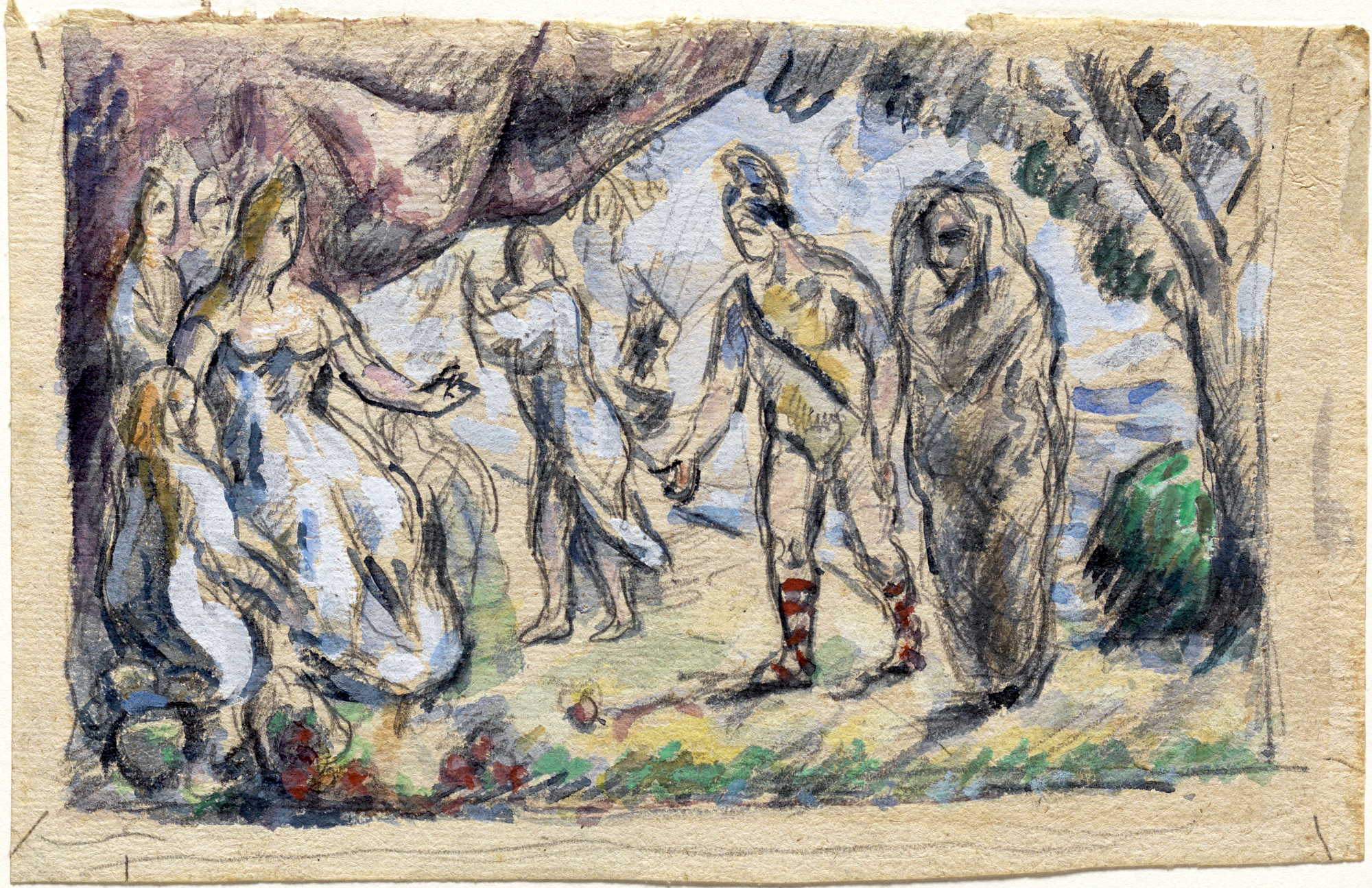
On his way to Italy, Aeneas was shipwrecked on the Carthaginian coast, where the first Phoenician colonists, led by their Queen Dido (Elissa), are building the city. Aeneas is so happy to see this new city, with its constructions and its laws, that he is tempted to abandon his quest and stay there. Then, Dido falls passionately in love with him and implores him to stay and reign over Carthage with her. Aeneas and Dido even got secretly married, forgetting Dido’s promise to her late husband Sychaeus (Acerbas) that she would never remarry. Even worse (from a Roman perspective): Aeneas starts wearing Phoenician clothes and adopts the customs of those foreign people!
For the Roman poet, Carthage represents the danger of the “false arrival”: if Aeneas decides to put his personal happiness before his destiny, to remain in Carthage with Dido instead of going to Italy, to become the king of a city instead of pursuing the promise of an universal Empire that would be founded only by his distant descendants, then Rome will never be born! The gods would not allow this: Jupiter sends him a messenger to order him to leave Carthage. Aeneas, a hero called by the gods for a sacred mission, cannot let his own passions distract him from this mission.
Obeying this divine order was very difficult for Aeneas: he loves Dido dearly, and is sad to have to leave her. Despite this, he has no other choice but to set sail again. In this, Aeneas is a prototypical virtuous Roman, who fulfills his duty, whatever the cost for himself.
When Dido hears that he is leaving, she is furious: how can this man she loved to much abandon her? Aeneas, in a decidedly Roman speech, explains that he doesn’t belong to himself: fate has decreed he was to found Rome, he has no other choice but to obey.

After he leaves, Dido falls into an angry madness that will lead her to kill herself. When she dies, she curses Aeneas and all his descendant, in these words: “No Iove! No truce or amity! Arise, Out of my dust, unknown Avenger, rise! To harry and lay waste with sword and flame those Dardan settlers, and to vex them sore, to-day, to-morrow, and as long as power is thine to use! My dying curse arrays shore against shore and the opposing seas in shock of arms with arms. May living foes pass down from sire to son insatiate war!” Dido’s curse is presented as the cause of the Punic Wars; the “unknown Avenger” she is calling on is Hannibal, her distant descendant (“out of my dust”).
In the Aeneid, Dido is also a figure of another foreign queen: Cleopatra of Egypt, whose love story with the Roman general Mark Antony became as great a danger for Rome as its wars against Carthage. Aeneas, as long as he refuses to leave Carthage and dresses as a Phoenician, is Mark Antony, who betrays Rome and its values for the riches of Egypt; but he becomes Augustus when he leaves for Italy to accomplish his destiny: founding Rome and its Empire.
