

Français – عربي – ⵜⴰⵎⴰⵣⵉⵖⵜ – English
Following Rome’s conquest of North Africa, numerous influential individuals from the Romanized Amazigh elite rose to prominent roles within the imperial administration. Their exceptional abilities earned them recognition across the empire, including in Rome itself. By the late 2nd century, it is believed that African descent accounted for nearly a third of all Roman senators! This article is the summary of our series on notable Roman African historical figures.
Fronto, the Imperial Tutor
Fronto, tutor of the Emperor Marcus Aurelius, is widely regarded as the most brilliant orator since Cicero. Born around 100 AD in Cirta (modern-day Constantine, Algeria), he moved to Rome as a young man and built a distinguished career as a lawyer, rhetorician, and grammarian. His influence was so profound that after him, Roman Africa became famous for producing exceptional rhetoricians. Full article
Lucius Quietus: From Moorish Prince to Roman General

The son of a Moorish chieftain allied with Rome during Mauritania’s annexation, Lucius Quietus rose to become one of the Empire’s most formidable military leaders. His most celebrated victory came when he crushed a Jewish revolt in Cyrenaica, cementing his reputation as an exceptional commander. Full article
Salvius Julianus, the pinnacle of Roman jurisprudence

Lucius Salvius Julianus, born circa 110 AD in Pupput (modern Souk el-Abiod, near Sousse). This brilliant African jurist rose to prominence as both a leading legal scholar and high-ranking official under three successive emperors: Hadrian, Antoninus Pius, and Marcus Aurelius. As the foremost authority of the Sabinian school, Julianus distinguished himself through his exceptional clarity of thought and razor-sharp legal reasoning. Many scholars regard him as the greatest jurist Rome ever produced, a testament to his enduring influence on Western legal tradition.
The Administrators
Quintus Lollius Urbicus, hailing from Tiddis in Numidia (modern-day Beni Hamidane, Algeria), rose to become one of Rome’s most accomplished provincial governors. During his tenure as governor of Britannia (139-142 AD), this North African statesman and military commander left an indelible mark on history by overseeing the construction of the Antonine Wall – Rome’s northernmost frontier fortification in Britain.
Publius Pactumeius Clemens and Gaius Arrius Antoninus, both hailing from Cirta, also rose to prominence as senators and consuls in Rome during this period.
The Historians
Suetonius, the Roman historian who wrote The Lives of the Twelve Caesars (a comprehensive account of Rome’s first 12 emperors), was likely born in Hippo, Numidia.
Prior to Suetonius, Sallust—though not of North African descent himself—authored a historical account of the Jugurthine War after serving as the inaugural governor of Africa Nova province, conducting thorough research across the region for his work.
The Writers

Terence, the renowned master of Latin comedy, was born in Carthaginian territory before Rome’s destruction of the city and brought to Rome as an enslaved youth.
Apuleius, born in Madaura (modern-day M’Daourouch, Algeria), authored The Golden Ass — widely regarded as the first novel in Latin literature.
The Poets
Marcus Manlius, an African-born Latin poet, composed the Astronomica—a poetic work blending astronomy and astrology.
Florus was another Latin poet of African origin.
Commodian, the first Christian poet, likewise originated from Africa.
The Physicians
Roman civilization significantly advanced medical science by building upon Hippocratic Greek medicine. The most renowned Roman physician was Claudius Galen.
Several prominent Roman-African physicians emerged, including Caelius Aurelianus from Sicca (El Kef) and Cassius Felix from Constantine. Notably, King Juba II of Mauretania authored a medical treatise on euphorbia — a plant he named in honor of his Greek court physician, Euphorbus.
The Christians
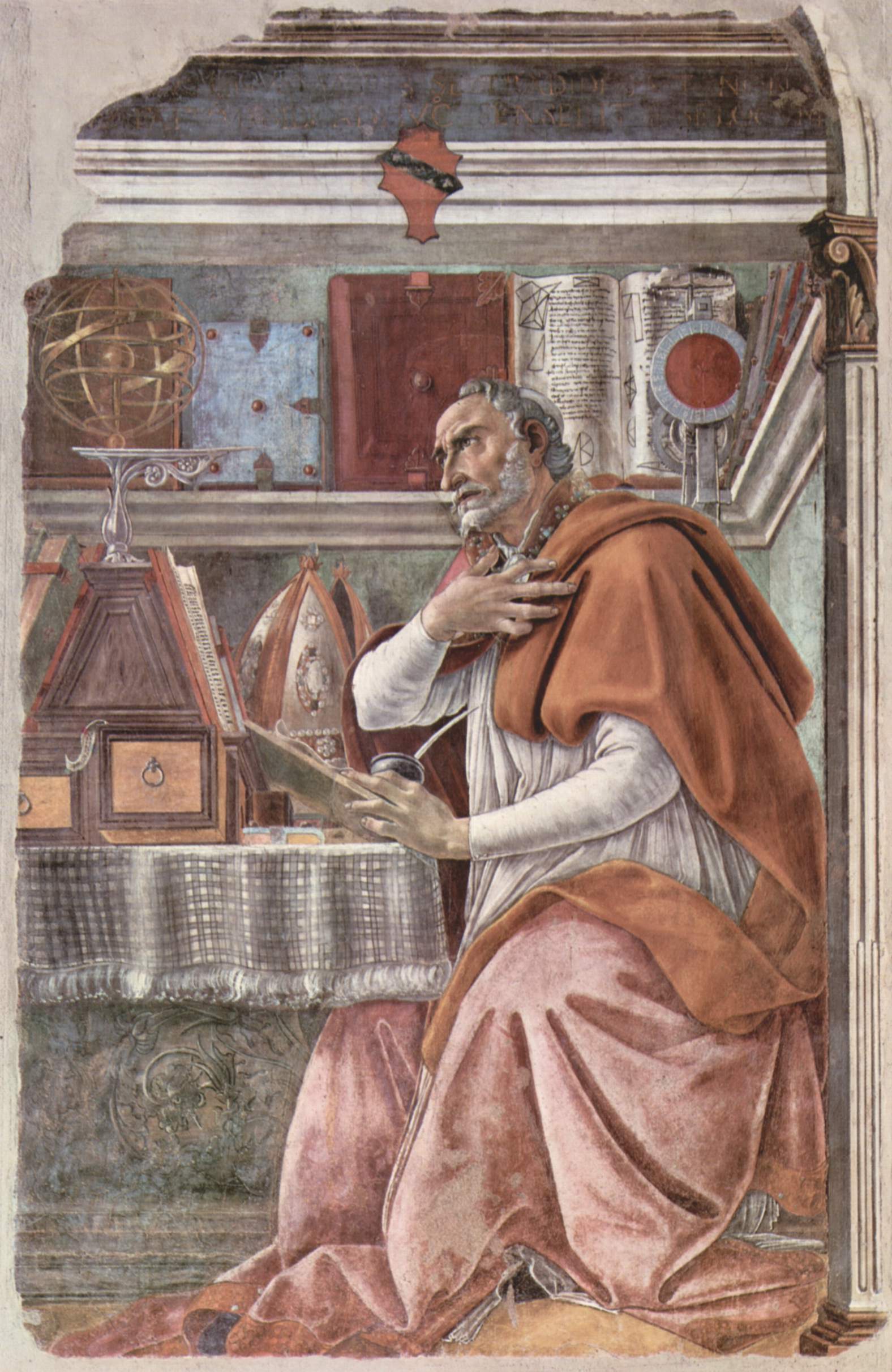
The early centuries of Christianity produced several towering Romano-African theologians. Tertullian of Carthage, a rhetorician by training, became the first Latin Christian author. His compatriot Cyprian, who served as Bishop of Carthage (248–258 AD), fundamentally shaped early ecclesiastical structures. The most influential was Augustine of Hippo (modern Annaba), later honored as Doctor Gratiae (Doctor of Grace), whose theological works became foundational for Western Christianity.
The late Roman Africans
In the 5th century, the Carthaginian poet Dracontius—born into a landowning family—composed works blending Christian themes with Greco-Roman mythology. Following the Vandal conquest of Carthage, his properties were confiscated. During this same period, Luxorius served as court poet to the Vandal rulers in Carthage.
