

Français – عربي – ⵜⴰⵎⴰⵣⵉⵖⵜ – English
Punic, the language of the old Carthaginian Empire, was still spoken in Roman Africa, several centuries after the fall of Carthage. The last Punic populations mingled with the indigenous Amazigh tribes, to the point that the Amazigh themselves were sometimes called “Punic”.
Punic is a Semitic language, like Arabic. Its alphabet derives from the Phoenician alphabet.

After the fall of Carthage, the Carthaginian manuscripts that had been saved from the flames were kept at the court of King Massinissa of Numidia. During the reign of Massinissa’s sons, many Carthaginians who had fled Carthage settled in Numidia. The Numidian administration was bilingual: all official documents were written both in Libyc (Tamazight) and Punic. The Punic influence was especially strong in the area around Tingis (Tangier). With time, a new dialect, called Neo-Punic, with strong Libyc influence, developed.

During the Roman era, Punic was still spoken in North Africa. At this time, the last Punic populations were so mingled with the Amazigh that the Romans called “Punic” all the non-Roman populations of North Africa. People like Emperor Septimius Severus or the Christian writer Tertullian of Carthage are sometimes described as “Punic”, while they were certainly Amazigh. Punic texts written in Latin alphabet have also been found.
Was the Christian Bible translated into Punic? Several Bible translations into regional languages of the Roman Empire, including two Egyptian Coptic dialects, were translated during the 4th and 5th Centuries. While no manuscript is now available, it is very possible that there also were Punic (and Libyc) Bible translations.
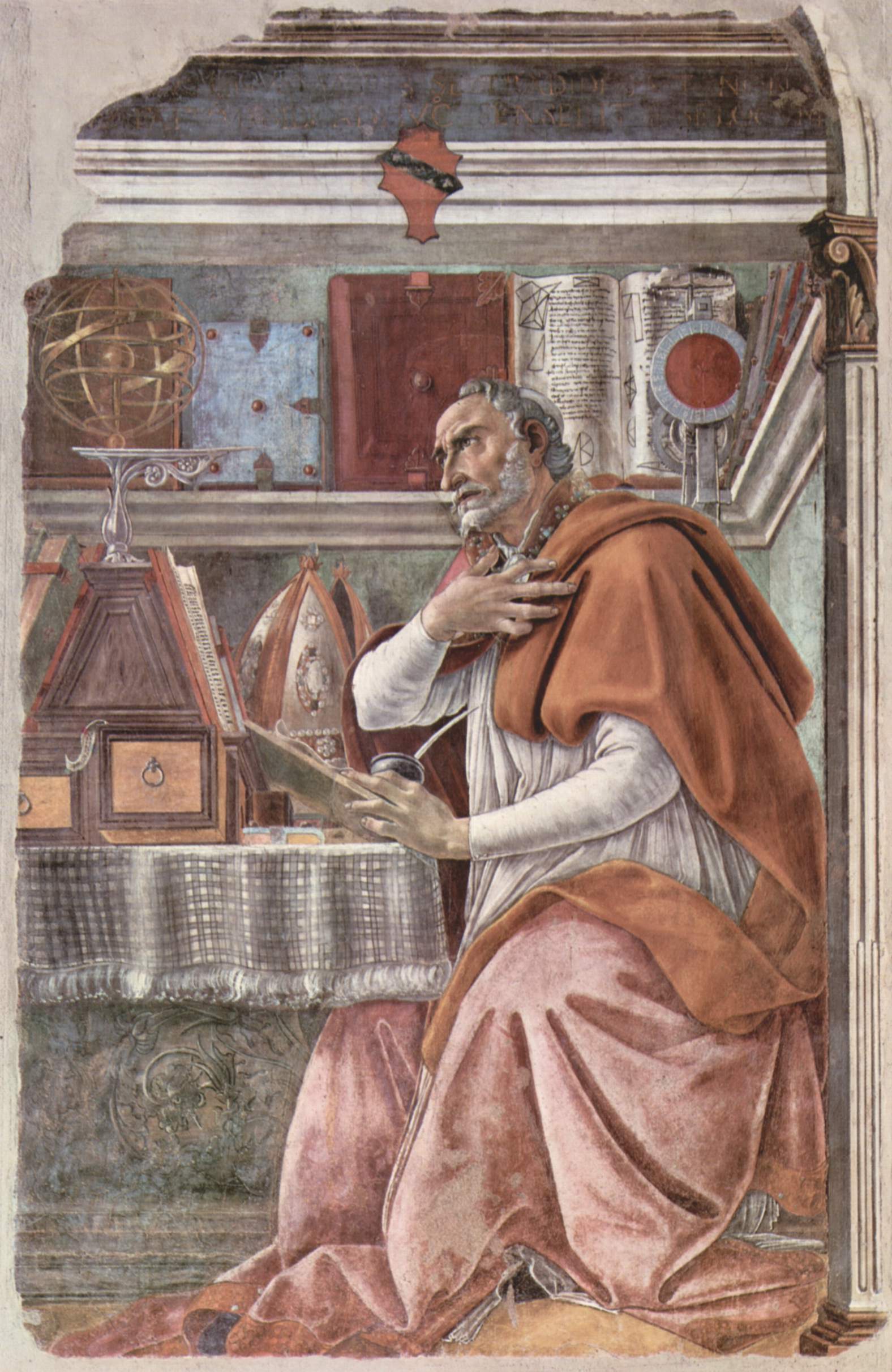
The last great author who understood Punic, at the beginning of the 5th Century, was Augustine of Hippo, who wrote in one of his letters: “And if the Punic language is rejected by you, you virtually deny what has been admitted by most learned men, that many things have been wisely preserved from oblivion in books written in the Punic tongue. Nay, you ought even to be ashamed of having been born in the country in which the cradle of this language is still warm.” He might be referring to Punic manuscripts from before Carthage’s destruction, to which he still had access.
The region around Sirte, because of its isolation, was the last part of the Roman Empire where Punic was still spoken. 5th-Century trilingual Christian inscriptions, in Latin, Greek and Punic, have been found in several catacombs in Sirte. Even later, in the 11th Century, Arab historian Al-Bakri wrote that the inhabitants of Sirte spoke a language that was neither Latin, nor Tamazight, nor Coptic: maybe they were still speaking a form of Punic. In this case, the proximity between Punic and Arabic certainly helped their Arabisation.

https://tanitlostgoddess6.wordpress.com/tanit-lost-goddess-of-the-central-mediterranean/