

Français – عربي – ⵜⴰⵎⴰⵣⵉⵖⵜ – English
The Hebrew Bible tells how, during the reign of King Rehoboam, son of King Solomon and grandson of the great King David, the Kingdom of Israel was invaded by Shishak, King of Egypt. Shishak pillaged the treasures of the Temple of Jerusalem and the royal palace. This invasion is presented as a divine judgment, due to the Hebrew people’s disobedience. Most specialists associate Shishak with Sheshonq I, a Pharaoh with Libyan Amazigh origins.
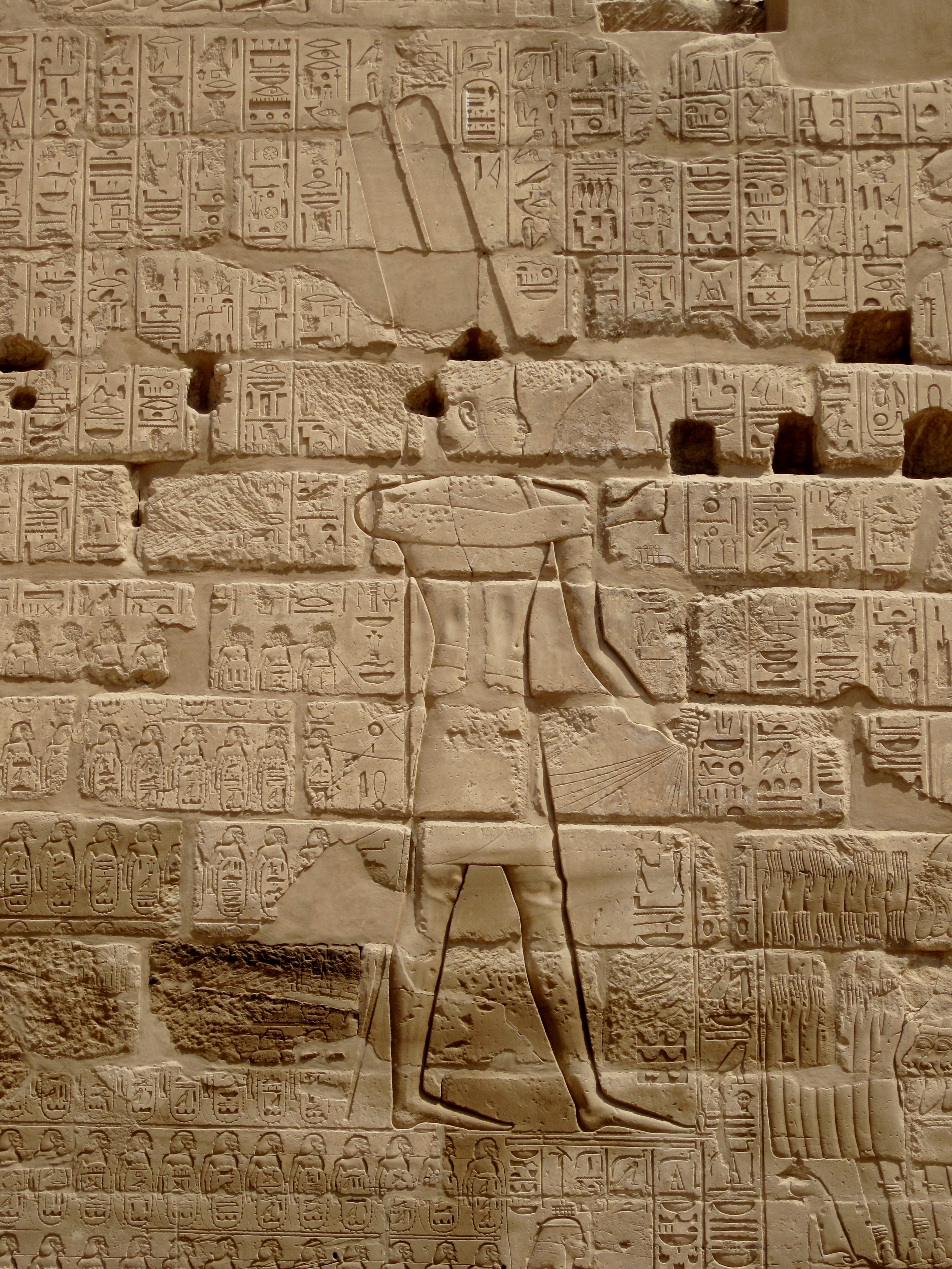
Sheshonq I was descended from the Libyan Meshwesh tribe, who invaded Egypt several centuries earlier. His uncle Osorkon the Elder had ruled briefly for six years, as the first Libyan Pharaoh; but his short reign hadn’t been enough to establish a lasting Libyan hold on Egypt. Sheshonq I, at his accession to the throne around 943 BCE, founded the 22th dynasty, the first Libyan Pharaonic dynasty. His descendants reigned for two centuries. The (approximate) year of the advent of Sheshonq I has been adopted as “year 0” of the modern Amazigh calendar.
This is what the Bible says about Shishak’s invasion of Israel:
And it came to pass in the fifth year of king Rehoboam, that Shishak king of Egypt came up against Jerusalem: and he took away the treasures of the house of the LORD, and the treasures of the king’s house; he even took away all: and he took away all the shields of gold which Solomon had made.
(Bible, 1 Kings 15 v 25-26)
Rehoboam was King of Israel from around 931 to 913. The fifth year of his reign, when Shishak invaded his Kingdom, is the year 926.
Other biblical texts about the wars between the Kingdom of Israel and Egypt also mention Libyan warriors in the Egyptian army.
The biblical mention of Shishak/Sheshonq could be the first written reference to the Amazigh, in a historical text of another nation of the old world.
