

Français – عربي – ⵜⴰⵎⴰⵣⵉⵖⵜ – English
Manichaeism, a religious movement born in Persia, is based on the idea of a cosmic battle between light and darkness. This religion appeared in the 3rd Century, and quickly spread into the whole Roman world, including North Africa. Augustine of Hippo was a Manichean for ten years.
Origins

Manichaeism is based on the teachings of Mani, who is considered to be the last prophet, after Zarathustra, Buddha and Jesus. Born in Ctesiphon, capital of the Persian Empire, Mani started preaching his doctrine at the court of the Persian Emperor Shapur I. He originally enjoyed the Emperor’s support, but then he was imprisoned by the end of his life. After his death, his disciples were persecuted.
The Manichean doctrine teaches a complex cosmology, based on a dualistic view of good and evil, pictured as two opposed forces of equal power. Light, associated with the spiritual world, and darkness, associated with the material world, are engaged in constant fight. The world as we know it is the product of this fight. The human soul is light, imprisoned in the material world, and needs to strive to return to the world of light where it comes from.

The Manichean dualistic opposition between the material and spiritual world is inspired from Platonic philosophy. Manichean teaching also borrows from other spiritual traditions, both Eastern (Buddhism, Zoroastrianism, Babylonian religion, Judaism) and Western (Greek paganism, Roman mystery cults, Christianity, etc.). Manichaeism claims to be a universal spirituality, transcending all religions traditions that came before it.
The Manichean community was composed of the Elect, fully initiated members who were required to submit to strict ascetic discipline, and the Hearers, the other adherents, who gave the Elect their material support.
Spread in the Roman Empire

Its message of universal salvation and emphasis on active proselytism enabled Manichaeism to quickly spread, first in the Middle-East, and then in the whole Mediterranean basin. At the same time, the new religion also spread East, all the way to China.
In the Roman world, Manichaeism became Christianity’s main rival in the race to succeed classical Paganism as the new dominant religion. At the same time, Manichaeism also influenced Christianity, especially Christian monasticism.
In North Africa
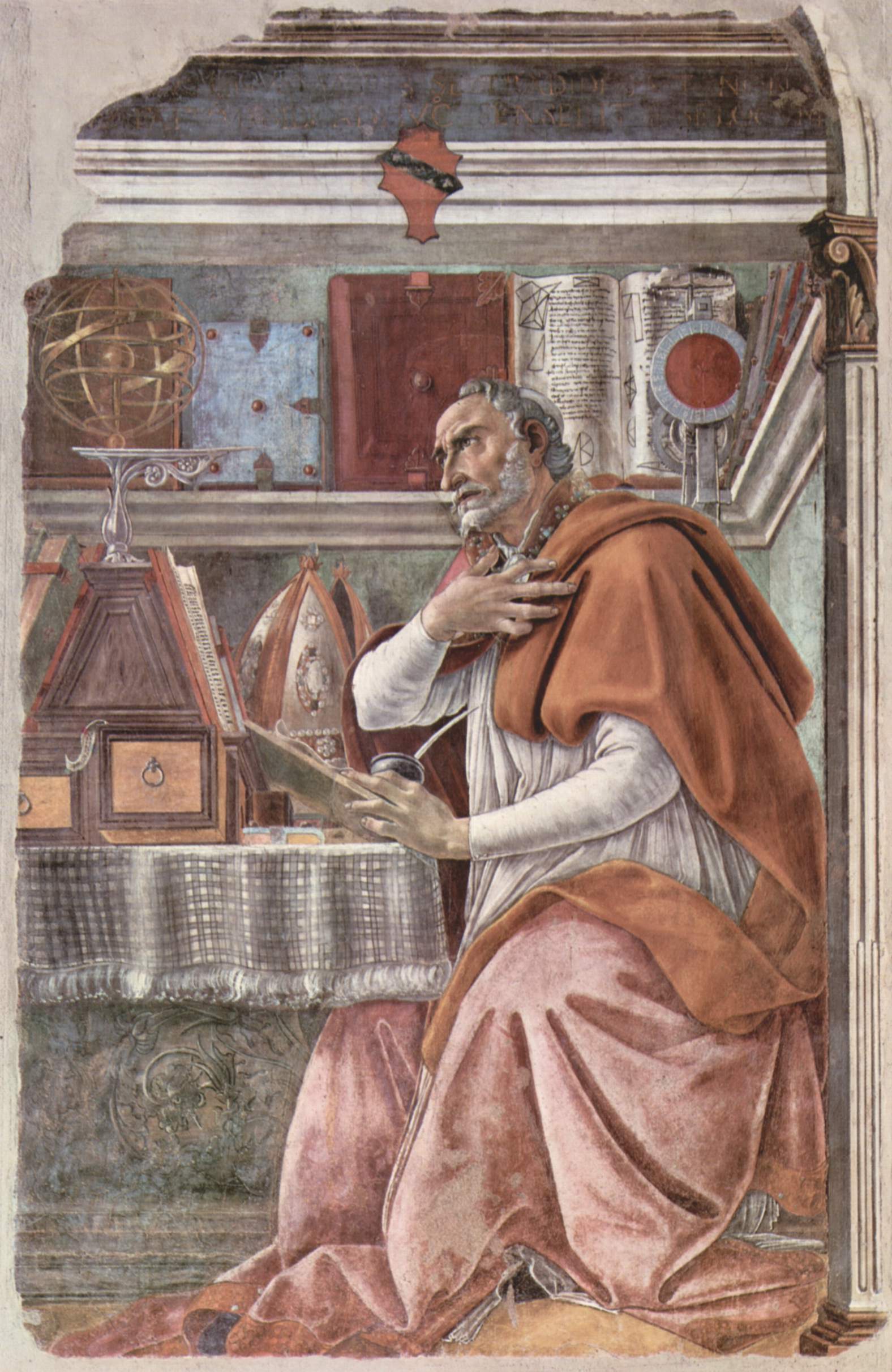
In Roman Africa, a strongly Christian region, Manichaeism mostly spread in the bigger cities like Carthage, Cirta/Constantine and Hippo (Annaba). The Manicheans were particularly active in Carthage, the cultural capital of the region. Their doctrine mostly attracted the urban educated youth, who appreciated its philosophical dualism.
Bishop Augustine of Hippo was a Manichean for ten years, before abandoning this doctrine. After his conversion to Christianity, he wrote several books against the Manichean doctrine. After he became bishop of Hippo, he also took part in public debates with the city’s Manicheans. What we know about the Manichean influence in North Africa mostly comes from his writings. He gives a detailed description of Manichean rites and sacred texts.

The most influential Manichean preacher in North Africa was Faustus of Milevis. Originally from Milevis (Mila), Numidia, he was from a poor pagan family, and became an influential teacher. Augustine met him in Carthage while he was still a Manichean: as he was asking himself many questions about the Manichean doctrine, all those he turned to recommended him to consult Faustus; but, when Faustus finally came to Carthage and he could ask him his questions, he was very disappointed by the lack of depth in his answers. After this meeting with Faustus, Augustine first started doubting Manichaeism. Later on, Augustine wrote a book Against Faustus, refuting his doctrine.
The leaders of the Manichean community in Hippo were Felix and Fortunatus. Augustine debated them publicly over their doctrine. After this debate, Felix was convinced by Augustine’s arguments and became a Christian.
Later on
When Christianity became the official religion of the Roman Empire, Manicheans were persecuted. Their meetings were forbidden and their leaders exiled. Manichaeism was mostly popular with the intellectual elite, much less with ordinary people, which made its dispersion easier. Manichaeism disappeared in North Africa before the arrival of Islam.
In the East, Manichaeism survived much longer, well into the Muslim era. Small, very ancient Manichean communities even still exist today in China.
