

Français – عربي – ⵜⴰⵎⴰⵣⵉⵖⵜ – English
Translation: Ibrahim Karmoum
As Rome’s power expanded in North Africa, the last Numidian and Mauritanian kings became inextricably linked to the Roman Empire. The Roman wars and political intrigues increasingly shaped the fate of the region. In this article, from our series on the last decades of the Roman Republic, we delve into the first of Rome’s great civil wars, between Marius and Sulla, two men united once by their fight against Jugurtha.
Context

Gaius Marius was born c. 157 BC, into a plebeian family. He started his military career in 134 BC, as an officer at the siege of Numantia in Spain. By 109 BC, he was serving as the deputy of General Quintus Metellus, Commander of the Roman troops fighting Jugurtha in Numidia. He left Numidia in 108 BC to campaign for consul, against Metellus’ will. Elected in 107 BC, he was chosen by the comices (the plebeian assembly) to replace Metellus, a move that usurped the Senate’s power and broke with Roman military custom.

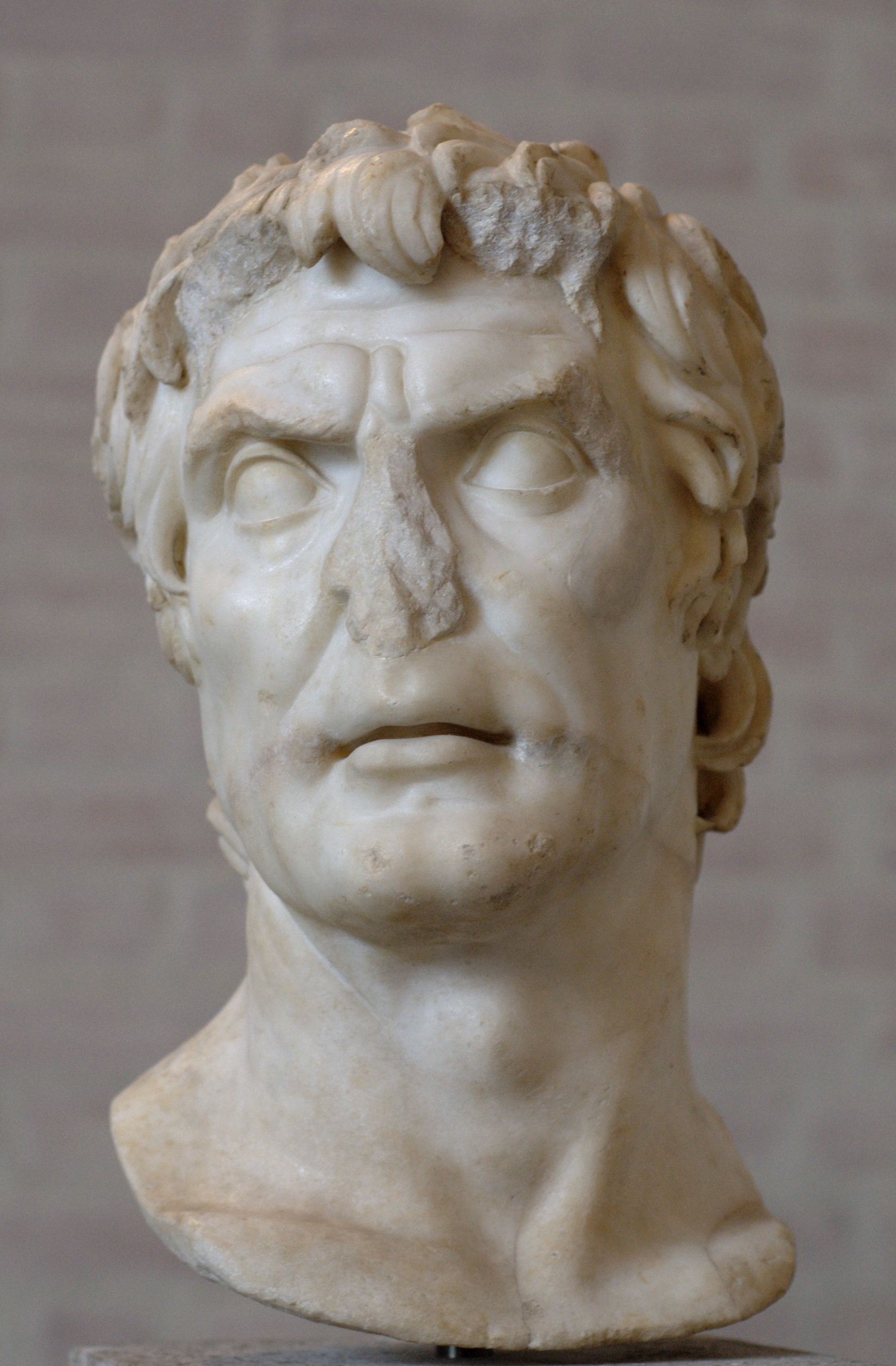
Lucius Cornelius Sulla was born in 138 BC into an ancient patrician family. In his youth, he joined the army. In 108 BC, he was elected quaestor, at the age of 30 (the minimum age required for this office). He was sent to serve in Numidia under Marius.
The rivalry between the two men dates back to the Jugurthine War, when Marius stole the credit for Sulla’s capture of Jugurtha. Moreover, Sulla was a conservative who defended traditional Roman values against populist reformers like Marius.
Beginning of the Civil War
Following a series of military victories, Sulla was elected consul in 88 BC. That same year, Marius, eager for another military command, struck a secret deal with the tribune Sulpicius: in exchange for his support, Marius would take over command in the war against Mithridates of Pontus, which had been given to Sulla. In an unprecedented move, Sulla marched his troops on Rome, becoming the first Roman to seize power by force.
After his march on Rome, Sulla banished Marius and his supporters. Marius and his sons escaped to Africa, where they were welcomed by King Hiempsal of Numidia. Though the king feigned hospitality, his true intention was to imprison them. However, they managed to escape.
Marius returned to Rome in 87 BC and allied with the consul Lucius Cornelius Cinna. He died in 86 BC. While Sulla was waging war against Mithridates, the supporters of Marius and Cinna regained control of Rome.
During this period, both factions engaged in a brutal campaign of proscriptions: supporters of each side who were denounced had their lands confiscated without legal proceedings, then awarded to their accusers.
The Civil War Resumes
In 84 BC, supporters of Marius and Cinna sent an army to remove Sulla from his command. However, the commander of this army was assassinated, and many of his soldiers switched allegiance to Sulla. Meanwhile, the Numidian king Hiempsal, a loyal ally of Sulla, was overthrown by the usurper Hiarbas, who had secured the support of Marius and Cinna’s followers.
In 83 BC, after a provisional victory against Mithridates, Sulla returned to Italy, determined to seize control of Rome from his enemies. The young Pompey (the future rival of Julius Caesar) raised three legions to support him. Metellus, the former commander of the Roman forces against Jugurtha, also joined him. His opponents, meanwhile, allied themselves with two Italian peoples neighboring Rome: the Samnites and the Lucanians.
In November 82 BC, a brutal battle took place at the gates of Rome as Sulla’s army clashed with his rivals. Approximately 50,000 soldiers killed in this battle, but Sulla emerged victorious. In the following day, he ordered the execution of 8000 captured combatants during a senate meeting.
After defeating his rivals in Rome, Sulla sent an army, led by Pompey, to restore Hiempsal as king of Numidia.
After the Civil War: Sulla‘s Dictatorship

After his victory, Sulla was elected dictator by the Senate. He implemented a series of profound reforms to the Republic’s institutions, which he claimed were aimed at restoring traditional Roman values. However, his reforms, rather than restoring the old order, introduced radical changes, such as expanding the Senate and bolstering the authority of magistrates. Unlike previous Roman dictators, who were granted temporary powers for specific purposes and renounced them once their mission was over, Sulla sought to use his position as a means to increase his personal power. Also, to eliminate any opposition, Sulla unleashed a reign of terror, proscribing thousands of his enemies.
In 80 BC, Sulla was elected consul and resigned as dictator. He withdrew from public life and devoted the remainder of his days to penning his memoirs. He passed away in 78 BC.
