

Français – عربي – ⵜⴰⵎⴰⵣⵉⵖⵜ – English
The region of Kufra, in South-Eastern Libya, has been inhabited for 10.000 years. Its first inhabitants were nomadic pastoral tribes who settled in the oasis with their herds. They left us traces of their presence in the form of rock art.
Prehistorical era


Archaeology has shown that the region of Kufra was inhabited since the “Green Sahara” era (around 11.000-5.000 years ago), by nomadic herders who had their cattle graze throughout the region. At the time, the Sahara was not an immense desert like today, but a green, lush region made of savanna, forests, great lakes and marshlands, with animals like lions, giraffes, elephants, rhinoceros, hippopotamuses and ostriches. The human populations living there had herds of goats and sheep, and hunted wild animals of the savanna. The famous rock paintings and engravings of the Libyan desert, where those first inhabitants of the Sahara show us the wild and domestic animals they were familiar with, date back to this time.

The oldest archaeological remains in the region of Kufra Oasis date back to the Early Holocene, around 10.000 years ago. Rock paintings and engravings, as well as potteries and pastoral tools made of stone, have been found around Kufra, especially in Bir el-Awadel, Bzima and Rebiana. Further South, at the border between Libya and Sudan, the Jebel Uweinat also contains beautiful rock paintings.
Rock art in Kufra, while less well-known as the rock art of the Fezzan (Tadrart Acacus, Mesak Settafet), remains an important part of the Libyan archaeological heritage. It has been studied recently by the Libyan archaeologist Saad Buhagar, from Benghazi University.
The ancestors of the Tubu
Around 5000 years ago, the Sahara started drying up quickly, until it became the great desert it is today. This is the time when the Kufra Oasis appeared.

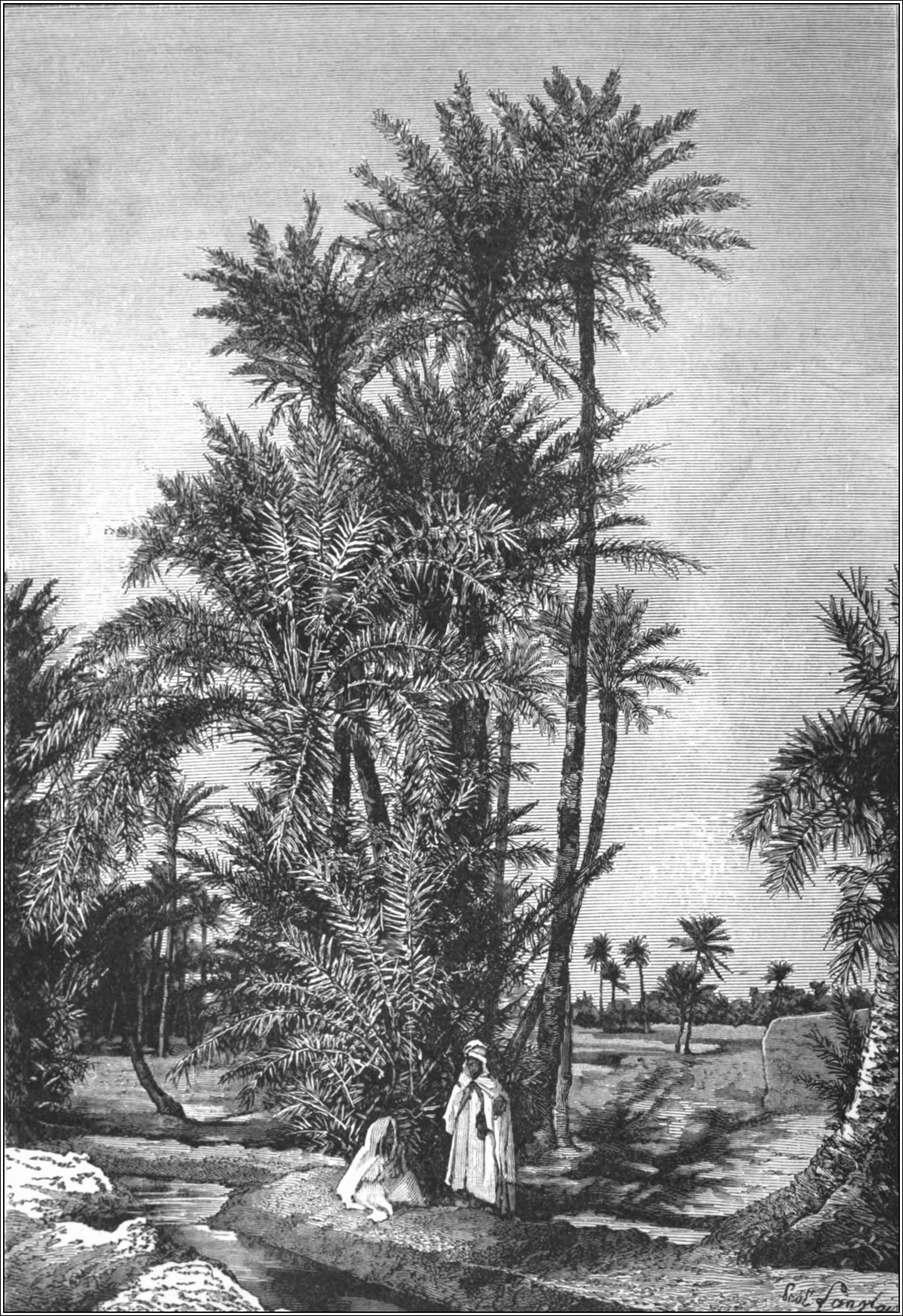
The Kufra Oasis, irrigated by underground water bodies, became a refuge for the inhabitants of the desert, who now settled there permanently while they were only passing through previously. In time, they started digging wells and developing palm grove agriculture, especially date cultivation.
The first permanent inhabitants of the Kufra Oasis came from South of the Sahara and were Black, while the nomadic tribes who preceded them were White and related to the Amazigh. The Greek historian Herodotus, in the 5th Century BCE, mentions “Ethiopians” (Greek aethiops, “burned faces”, i.e. Black) living to the South and the East of the Garamantes, an area that certainly included Kufra. They became the ancestors of the Tubu.
Roman era

The Kufra Oasis was known to the Carthaginians and the Romans. In 90 BCE, the Roman tradesman Julius Maternus left fom Sirte and crossed the desert to Kufra. He then continued his travels with the King of the Garamantes, all the way to the Bahr Salamat and Bahr Aouk, in the South of modern-day Chad. He then returned home to Rome with a two-horned rhinoceros, which was exposed at the Coliseum.
The introduction of the camel into North Africa, around the 2nd Century, made the transport of merchandise through the desert much easier, thus enabling the high-scale development of trans-Saharan trade. From then on, the Kufra Oasis became an important step in the trade expeditions through the Sahara.
The advent of Islam

The region was conquered by the Muslims by the end of the 7th Century. The Kufra Oasis was integrated into the vast network of caravan roads that connected Egypt and Cyrenaica to the Central Sahara.
The Muslim geographer al-Idrissi mentions the Kufra Oasis in the 11th Century. In the 15th Century, Leo Africanus mentions an oasis in the country of the Berdoa, which could be the Kufra or the Tazerbu Oasis. The Berdoa would be the Tubu.
From the 18th Century on, the Arab Zuwayya tribe, who previously lived in Cyrenaica, started moving into the region of Kufra, until they became more numerous than the indigenous Tubu. In the 19th Century, the Zuwayya allied themselves with the Sanusiyya brotherhood. Kufra became an important Sanusiyya center, in charge of Sanusiyya missions to the Ouaddai and Chad. Kufra also served as a rear base for the revolt of Umar al-Mokhtar against the Italian occupation.
