

Français – عربي – ⵜⴰⵎⴰⵣⵉⵖⵜ – English
The Roman Empire dominated North Africa for about 6 centuries. The Roman culture and way of life left such a strong print on North African cities that it allowed a new Roman African culture to emerge, with even the appearance of a new African Romance language, distinct from Latin. The Rhomanised indigenous populations also acquired a strong influence in Rome; several Emperors had North African origins.

The Romans first came to North Africa after the fall of Carthage, when Rome took possession of the last Carthaginian territories, as the province of Africa. From there, the Roman borders first extended eastward, as they took over Tripolitania, then Cyrenaica. In 27 BCE, the year when the Roman Empire was founded, the first Emperor Augustus also took possession of Egypte. To the West, Numidia and Mauretania, at the time still governed by Roman client kings, were later incorporated by Augustus’ successors.
The first capital of Roman Africa was Utica. The prestige of the old city of Carthage was so strong that the city was rebuilt by Julius Caesar, around 44 BCE. The new Roman Carthage became the capital of the Roman province of Africa, and the most influential city in Roman Africa. Other major cities were Hadrumetum (Sousse), Leptis Magna (Khoms) in Tripolitania, Hippo (Annaba) and Cirta (Constantine) in Numidia, and Caesarea (Cherchell) and Tingis (Tangier) in Mauretania. All there cities were thoroughly romanised.
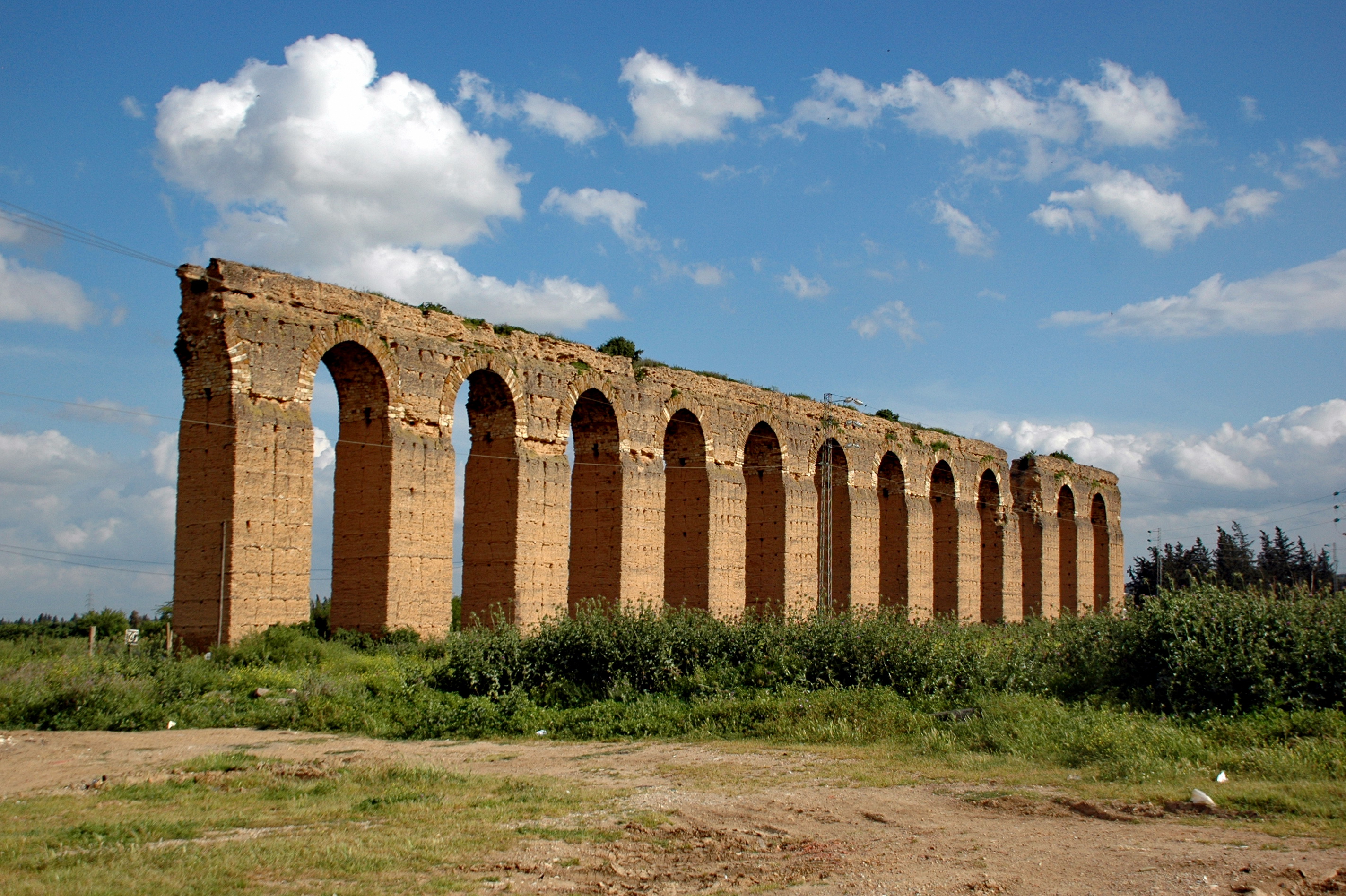
In Africa, as everywhere in their Empire, the Romans built a network of high-quality infrastructure. The Roman roads allowed travellers to go all the way from Leptis Magna to Tingis by land instead of by sea. They also built aqueducts, for the water provision of their cities.

Roman architecture in Africa also left us several of the most remarkable sites of the whole Roman world. The most iconic is certainly theamphitheatre of Thysdrus (El Jem), the largest amphitheater in Africa and one of the best preserved worldwide.
Africa was one of the richest regions in the Roman Empire, attracting migrants from all over the Empire. Also, many Roman military veterans received land in Africa as a reward for their service. Several new cities, such as Tipasa, Thamugadi (Timgad), and Sitifis (Setif), were built for these veterans.
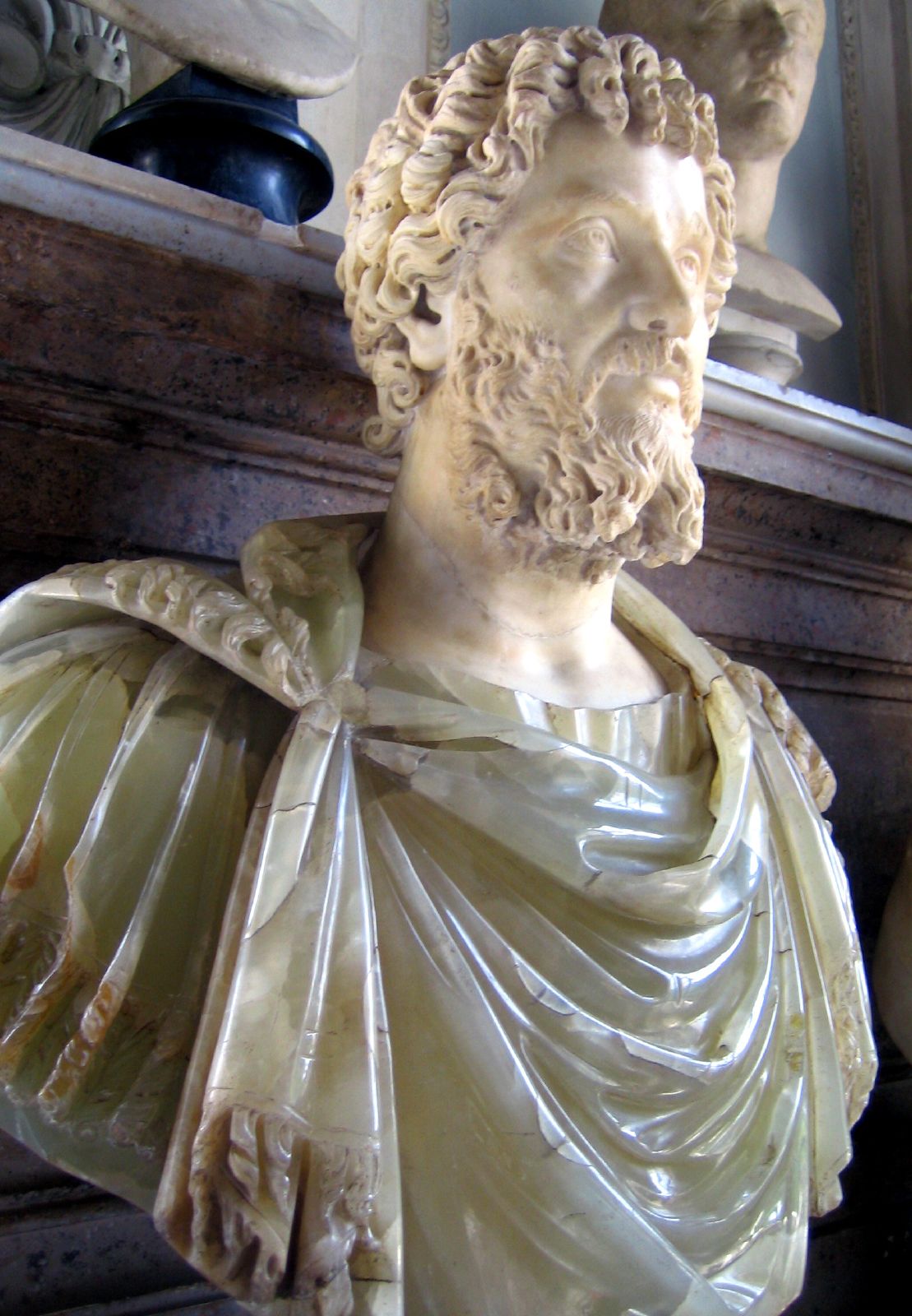
In the urban centers around Africa, the children of prominent local families, with Amazigh and Punic roots, studied in Roman schools, and then took offices in the Imperial administration. The Roman meritocracy was so efficient that according to an estimation, by the end of the 2nd Century, one third of all Roman Senators had African origins! There even were several Roman Emperors with African origins. The first one, Septimius Severus (193-211), from Leptis Magna, became the founder of the Severan dynasty, which held the power for over 30 years.
Roman Africans also were illustrious for their eloquence in the Latin language, both written (literature) and spoken (rhetoric). The playwright Terence, one of the masters of Roman comedy, was born near Carthage and sold as a slave to Rome. Apuleius, born in Madaura (M’daourouch), wrote The Golden Ass, considered to be the first Latin-language novel. The most famous Roman African rhetorician was certainly Fronto, from Cirta, who became the tutor of Emperor Marcus Aurelius.
While the urban population, especially around Carthage, in Tripolitania, and in Cirta, were very happy about the technical and cultural progress Romanisation made possible, smaller towns and rural regions were hostile to Roman domination. Generally speaking, Roman influence was less strong to the West of the region. The indigenous populations rose up several times against Rome; the main rebellion was led by Tacfarinas in 17 CE.
