

Français – عربي – ⵜⴰⵎⴰⵣⵉⵖⵜ – English – עִברִית
Since Antiquity, and especially during the Roman era, a mysterious people, originally from Palestine, came to live in the North African cities and villages. Those people were different from all the others the native Amazigh knew: they never tried to dominate them, but told them about the one true God, the Creator of the world and all it contains… a message that was still completely new to them.

The oldest Jewish community in North Africa certainly lives on the island of Djerba, Tunisia. According to their tradition, after Jerusalem was destroyed by the Babylonians in 586 BCE, the last high priest, when he fled, took with him a door of the Temple of Solomon, which is now part of the El Ghriba synagogue.
It is possible that there already were Jews living elsewhere in North Africa at that time, or even earlier (they might have come on board of the Phoenician ships, as their home land was close to Phoenicia), although no archaeological traces of them have been found outside Djerba. During the Punic era, there were small Jewish communities in Carthage and other Punic cities.
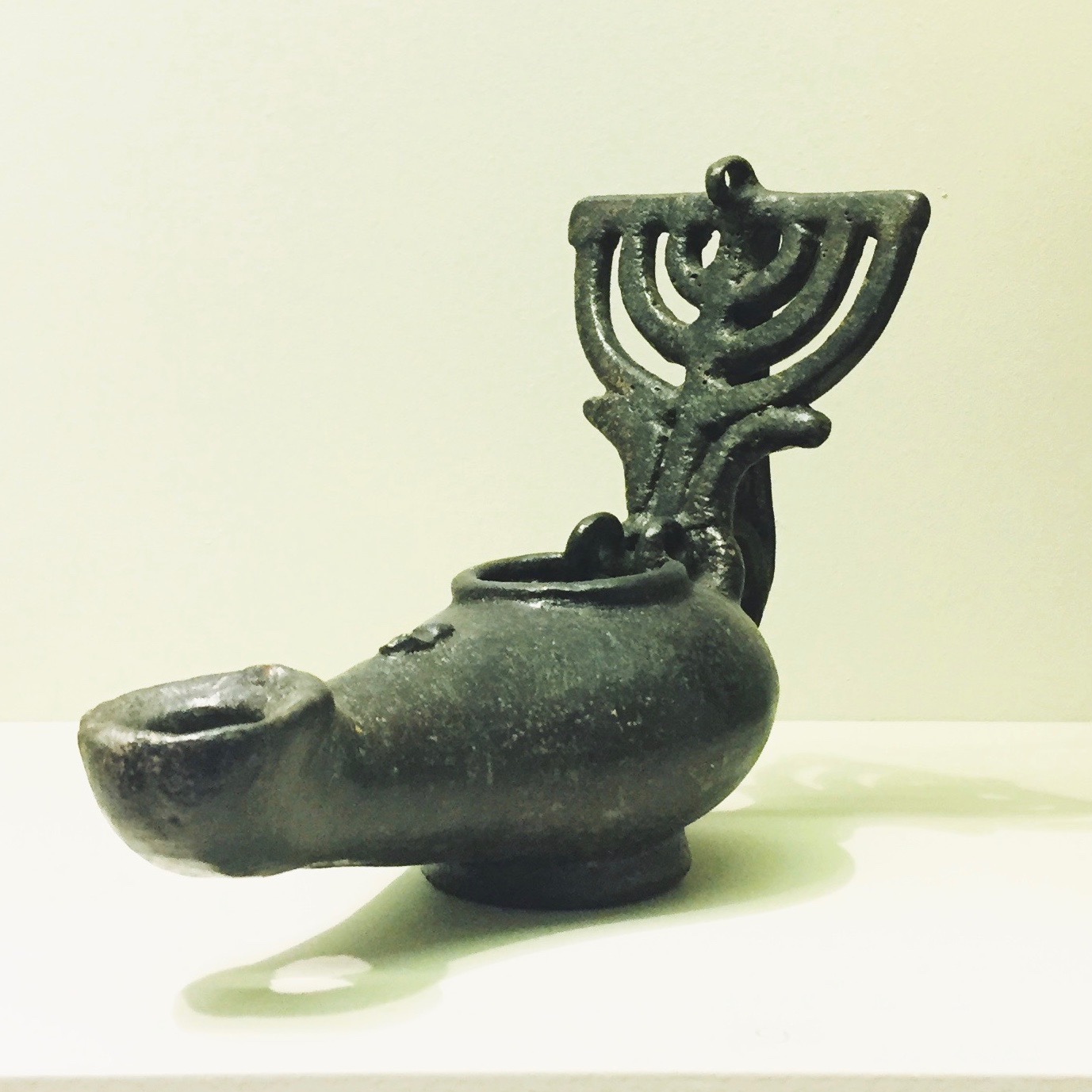
The oldest documented Jewish community in modern-day Morocco lived in Ifrane Atlas-Sghir, Guelmim province, in 361 BCE. As there were Jews this far to the South, they were obviously also present further North. The inscriptions showing a Jewish presence in Volubilis go back to the 2nd Century BCE; the city’s synagogue was built during the Roman Era, in the 3rd Century CE.
The Jewish presence in North Africa grew mostly by the end of the 4th Century BCE, after Ptolemaic Egypt invaded Judea. Many Jews were deported to Alexandria and elswehere in Egypt, others followed as economic migrants. Onias, a Jewish priest who lived in exile in Egypt, even built a Jewish Temple in Egypt. Around 312 BCE, Ptolemy I Soter also installed Jews in Cyrenaica. Some of them continued further westward, to Carthage and beyond.
Around 150 BCE, because of persecution in Cyrenaica, some Jews fled the region to modern-day Morocco. After arriving in Tingis (Tanger) by sea, they lived in the Rif and Atlas mountains. The Cyrenaican Jews continued to prosper: several inscriptions, in Berenice (Benghazi) and elsewhere, indicate rich, well-established and influential communities.
Later on, more Jews came to Roman North Africa, first after the Romans destroyed Jerusalem in 70 CE, then after the Bar Kokhba revolt, in 135.

Most of the Jews who came to North Africa were refugees, exiled from the land of their ancestors. The newcomers especially had little sympathy for the Romans, who destroyed their Temple and drove them out of their country… a plight that could only win them the solidarity of the Amazigh tribes among which they came to live, who were also suffering under Roman domination. At the same time, the villages that welcomed them profited from the new skills they had acquired while living in the midst of other more advanced civilisations. Most of all, the Amazigh were impressed by their profound faith.
Some Amazigh tribes converted to Judaism, especially after Roman domination came to an end. Vestiges of these “Amazigh Jews”, both descendants of Palestinian Jews and converts, can be found all the way to the Sahara. The religion of the famous Dihya (Kahina), Queen of the Aures, who led the resistance against the Arab conquerors, is debated: some sources say she was from a judaised Amazigh tribe, while others claim she was a Christian; is is also possible that her tribe first converted du Judaism, then to Christianity.

After the Arab Muslim conquests, North African Jews remained an important part of North African society. They grew even more numerous during the Middle Ages, when many expelled Spanish Jews settled in the region. Their numbers have been greatly reduced during the 20th Century, through emigration: they are now only around 2.000 in Morocco, between 1.000 and 2.000 in Tunisia, around 200 in Algeria, and have virtually disappeared in Libya. Independently of contemporary geopolitical questions, their contribution to North African societies cannot be denied.
