

Français – عربي – ⵜⴰⵎⴰⵣⵉⵖⵜ – English
The Roman Empire in North Africa fell in 439, when the Vandals, a Germanic people, invaded Carthage. A century later, Byzantine Emperor Justinian, wishing to reconstitute the Western Roman Empire, drove out the Vandals and retook control of former Roman Africa. At this time, new Amazigh kingdoms started rebuilding. The soldiers of the Islamic Caliphate, after their invasion of North Africa in the 7th Century, would fight both the Byzantines and the newly formed Moorish kingdoms.
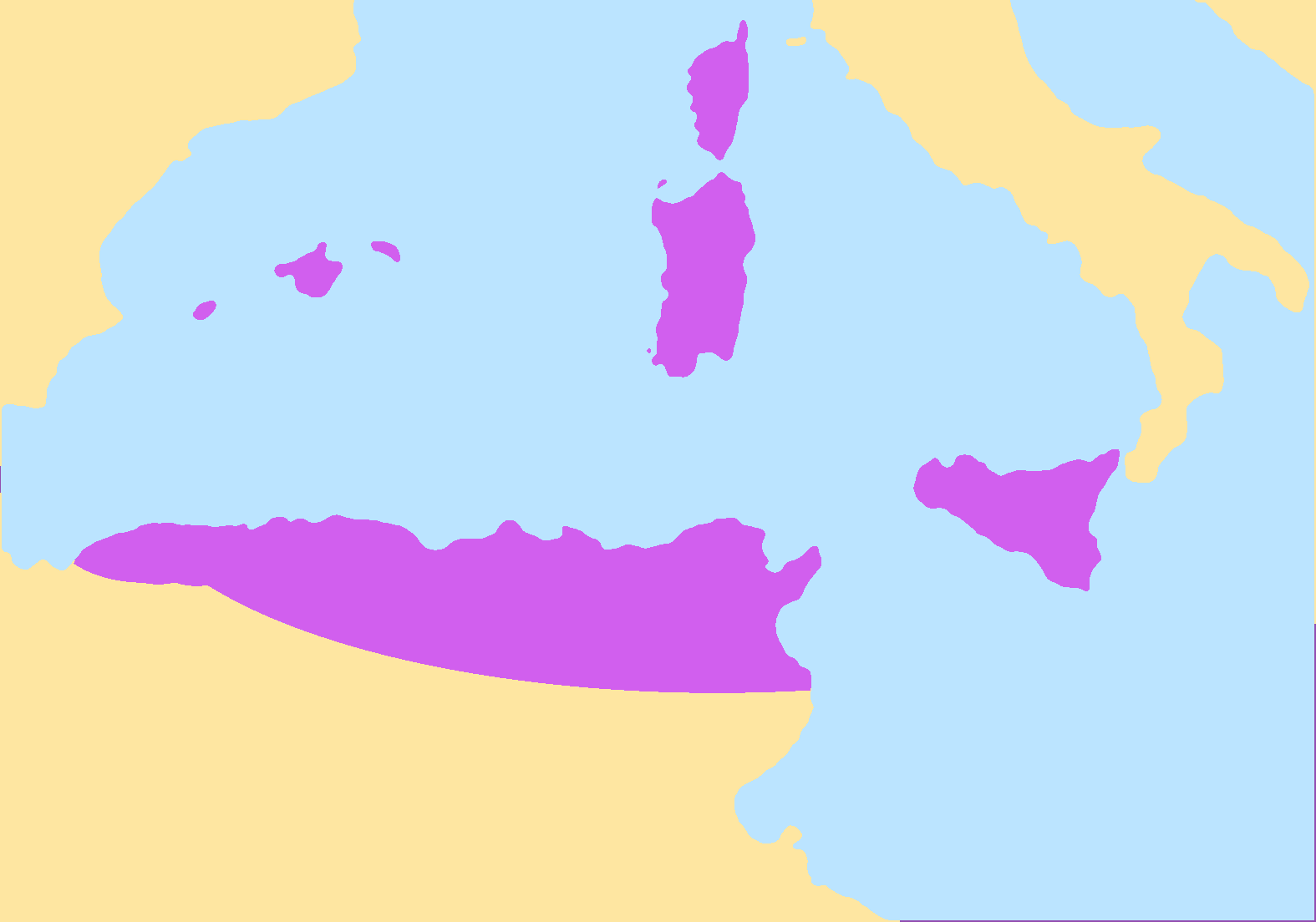
During the last few centuries, the Roman Empire had been facing the threat of Germanic tribes invading and looting its territory. One of these tribes, the Vandals, were occupying Spain since 409. In 429, the Vandals crossed the straight, took over Tingis (Tangier), and began their conquest of North Africa. 10 years later, they controlled Carthage, where they founded a new kingdom.
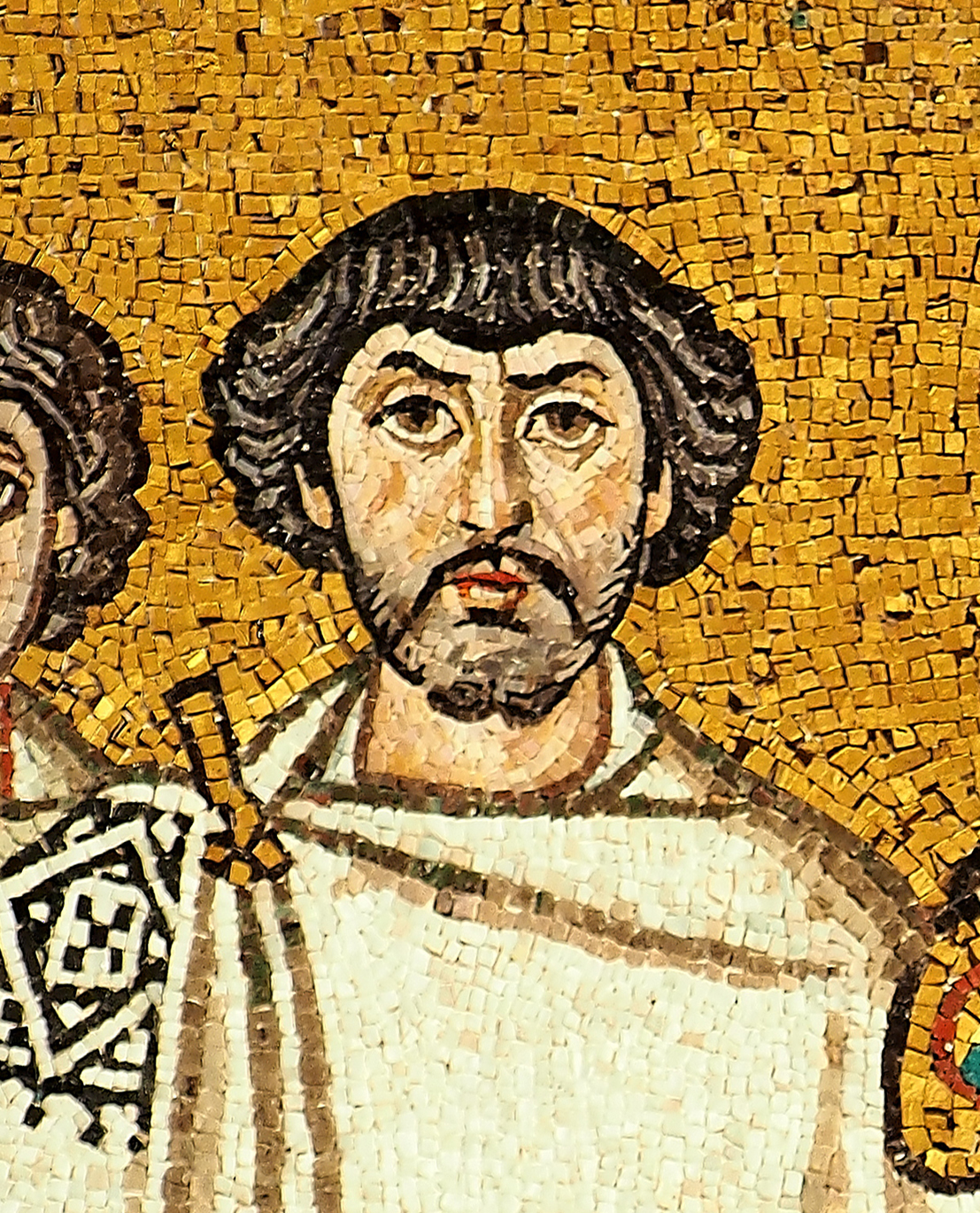
One century later, the Byzantine Empire, heir to the Eastern Roman Empire, decided to reconquer the lost Roman territory in North Africa. General Belisarius and his army of 15.000 men retook the whole Vandal territory in a few months, with the support of local Amazigh tribes. The Byzantines formed an exarchate in Africa, with Carthage as its capital. While the Amazigh were originally happy about the fall of their Vandal oppressor, the new Byzantine domination would eventually turn out to be just as tyrannical.

This situation would enable new Amazigh kingdoms to emerge, and try to assert themselves through revolts and wars against the Byzantines. These various small kingdoms seem to have put a confederation in place, which was led in turn by each of the local kings.
This was the configuration in which the caliphal troops found North Africa. On arrival, they first fought the Byzantines, sometimes with help from the Amazigh kingdoms. In 670, they built Kairouan, the first Arab Muslim town in North Africa. The conquest of Carthage in 698 marks the final defeat of the Byzantine Empire in Africa.

It seems that the Amazigh originally saw the newcomers as liberators (just like the Byzantines before them, when they came to drive out the Vandals). Things changed after the fall of Carthage, when they set out to conquer all North Africa. The first leader of the Amazigh resistance was Kusaila, King of Altava, a kingdom based around the modern-day city of Tlemcen (1 on the map above). After he died, Dihya (Kahina), Queen of the Aures (4 on the map), took up the torch. This emblematic character, considered as the last Amazigh queen, led an alliance of tribes to war against the Omeyyad army. She was finally killed in 703, at the battle of Tabarka. After her defeat, the Omeyyad Caliphs were the new masters of North Africa.
