

Français – عربي – ⵜⴰⵎⴰⵣⵉⵖⵜ – English
In the beginning of the 5th Century BCE, Carthage led a military intervention in Sicily, against the Greek cities of Syracuse and Akragas. The Carthaginian army was defeated at the Battle of Himera. This defeat led to a profound reform of Carthaginian society, to make it more democratic by limiting the powers of the King in favor of an assembly elected by the people.

Context
Since the 6th Century, Carthage, and its colonies in North-Western Sicily, were in regular conflict with the Greek colonies occupying the major part of the island. The Sicilian Greeks were themselves divided between Ionians and Dorians.

Red: Syracusan territory; yellow: territory submitted to Syracuse ; blue: territory submitted to Akragas; black spots: Carthaginian cities
At this time, most Greek cities in Sicily had come under the power of tyrants (authoritarian leaders, against the Greek democratic ideal). Gelo, the tyrant of Syracuse, who controlled the largest territory, made an alliance with Thero of Akragas, creating an united Dorian Greek front, against the Ionian Greeks and the indigenous Sicels. Against this threat, the Ionians entered an alliance with Carthage.
The Battle of Himera
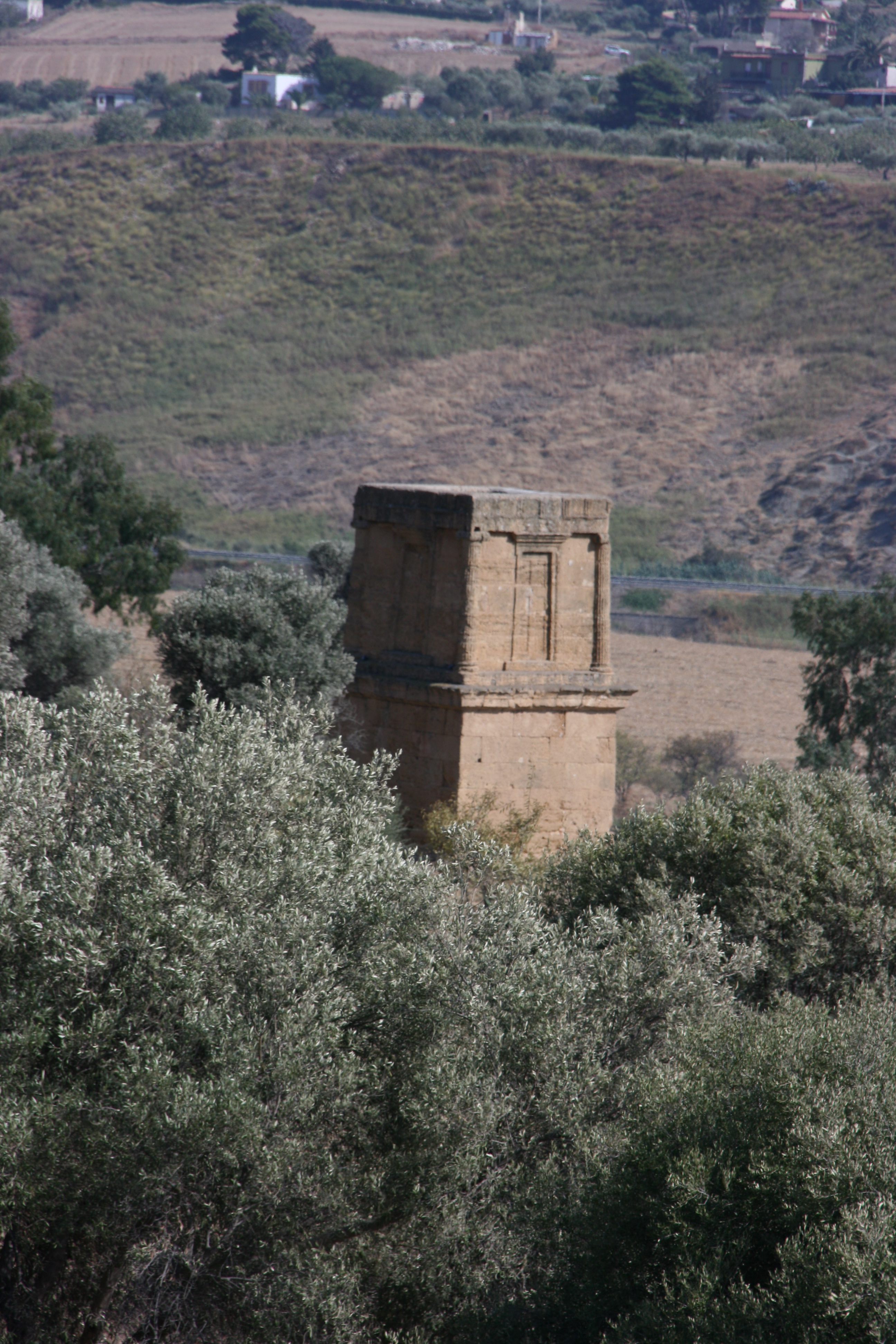
In 483, Thero of Akragas deposed Terrilus, the Ionian tyrant of Himera. Terrilus called on Carthage for help. The Carthaginians, concerned that the alliance between Gero and Thero would take over all Sicily, intervened in 480.
The Carthaginian army, led by King Hamilcar I, was defeated at the battle of Himera. Hamilcar himself was killed, or committed suicide after his defeat, depending on the sources. Carthage however kept its Sicilian possessions.
This defeat caused deep change in the Carthaginian society: the aristocratic government was replaced by an elected assembly, while the King’s powers were significantly reduced.
Later on
