

Français – عربي – ⵜⴰⵎⴰⵣⵉⵖⵜ – English
Marcellinus of Carthage was a Roman administrator of the early 5th Century, who served under Emperor Honorius. In 411, he was sent to Carthage, to lead a public conference destined to solve the Donatist controversy. In Africa, he met the bishop Augustine of Hippo, and they became close friends. He was finally executed in 413, under false accusations of revolt.
Flavius Marcellinus was born in Toledo, Spain, in a Roman aristocratic family. After his studies, he started a career in Roman administration, that led him to become a tribune and, later, Secretary of the State. In a newly Christianized Empire, Marcellinus was a devout Christian, interested in theological questions. His wife was called Anapsychia.

At this time, the Church in North Africa had been deeply divided by the Donatist controversy for about a century. In 411, Emperor Honorius decided to organize a conference in Carthage, in order to settle this matter once and for all. Marcellinus was sent by the Emperor to lead this conference. He was certainly chosen for his theological expertise.
In front of 286 Catholic and 279 Donatist bishops who met to debate over their disagreements, Marcellinus clearly expressed the Emperor’s position: the Donatists were heretics, and needed to return to the official Church; the object of the conference was to discuss the conditions of their return. The detailed script of the discussions still exists today. After long and fierce debates, Marcellinus decreed that the Donatist bishops who agreed to rejoin the Catholic Church could keep their bishoprics and places of worship, but that those who refused would be imprisoned.
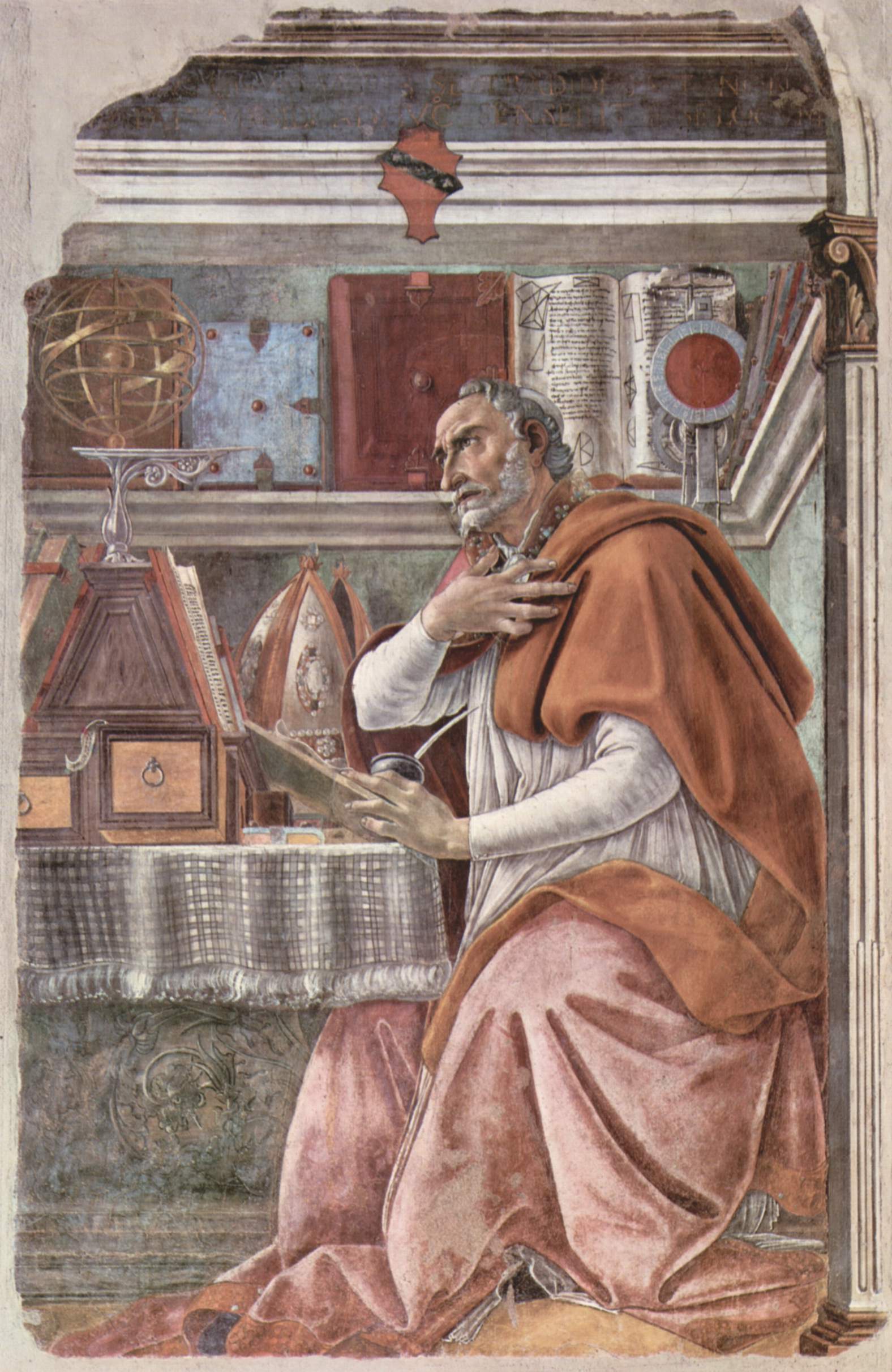
The Roman army put this judgment into execution with great severity: the persecutions against the Donatists who refused to submit were so violent that even Augustine of Hippo, the leader of the Catholics at the conference, protested. Marcellinus remained in Carthage, to assist his brother Apringius, who had been named proconsul of Africa, in the trials against the Donatists who had been arrested.
During his years in Africa, Marcellinus became friends with the bishop Augustine of Hippo. They discussed theology, and Augustine encouraged Marcellinus to show clemency towards the Donatists. Augustine dedicated several of his writings to Marcellinus, including the first three books of The City of God.

Marcellinus’ career came to an abrupt end in 413, after the revolt of Heraclianus, the governor of Africa: Marcellinus and his brother Apringius were falsely accused by the Donatists of supporting Heraclianus. Marcellinus was sentenced to death and executed. The following year, the Emperor acknowledged his innocence.
The death of Marcellinus had a strong impact on Augustine of Hippo, who pleaded in vain for the Roman authorities to spare his friend’s life. After his execution, Augustine became much more wary of political power, and more skeptical about the alliance between the Christian Church and the Empire, which had become more and more intertwined in his lifetime.
Marcellinus is considered as a martyr by the Catholic Church.
