

Français – عربي – ⵜⴰⵎⴰⵣⵉⵖⵜ – English
Tamazgha, the land of the Amazigh, extends from the Siwa Oasis, in the Egyptian desert, To the Canary Islands, on the Atlantic coast. In this article, we will discover the history of the Siwa Oasis.
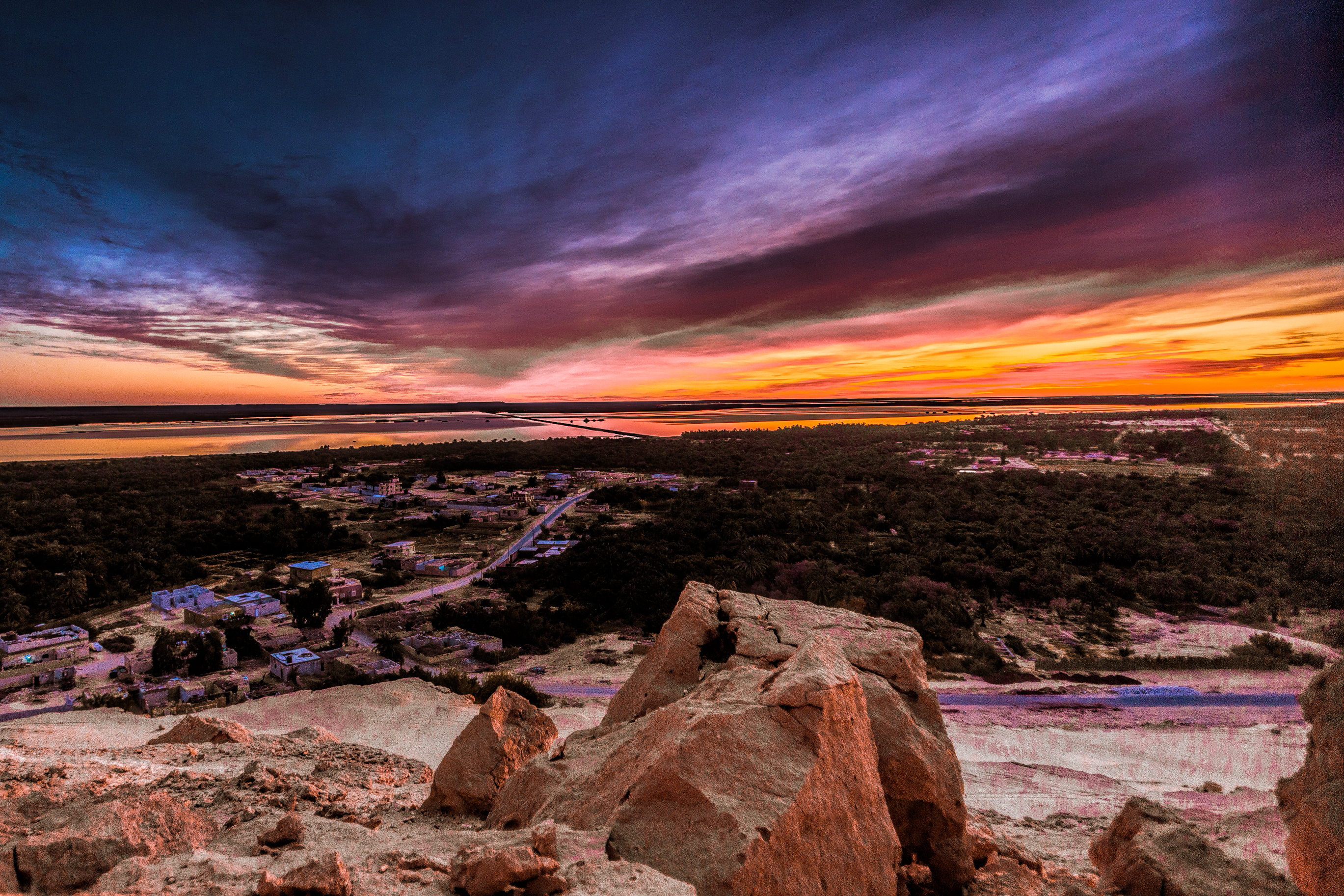
Siwa – Sali in the local Amazigh dialect – is the largest oasis in the Western Egyptian desert. At the heart of a very inhospitable region, we find this lushly green, temperate oasis, irrigated by several hundreds of natural water sources that fertilize its soil, allowing for olive tree and date palm cultivation.

The Siwa Oasis has been inhabited at least since the 10th Millenium BCE. Its first inhabitants were Amazigh, and lived on agriculture. The Egyptian name of the oasis was sḫt jꜣmw, which means “field of trees”. The modern-day name of Siwa might come from the Amazigh word asiwan, which means bird of prey, a reference to its oracle of Ammon, the hawk-headed god.
The first documented contacts between Siwa and Egypt go back to the 26° Pharaonic dynasty (664-525), when a necropolis was established, that remained in use until the Roman era. The oasis was officially part of the Egyptian Empire, although to what extent is was actually integrated into Egypt is debatable.
Around the same time, the oasis was also discovered by the Greeks of Cyrenaica. The Greek historian Herodotus mentions a “fountain of the sun”, with water that runs coldest in the heat of noon. This certainly was on of the Siwan sources.
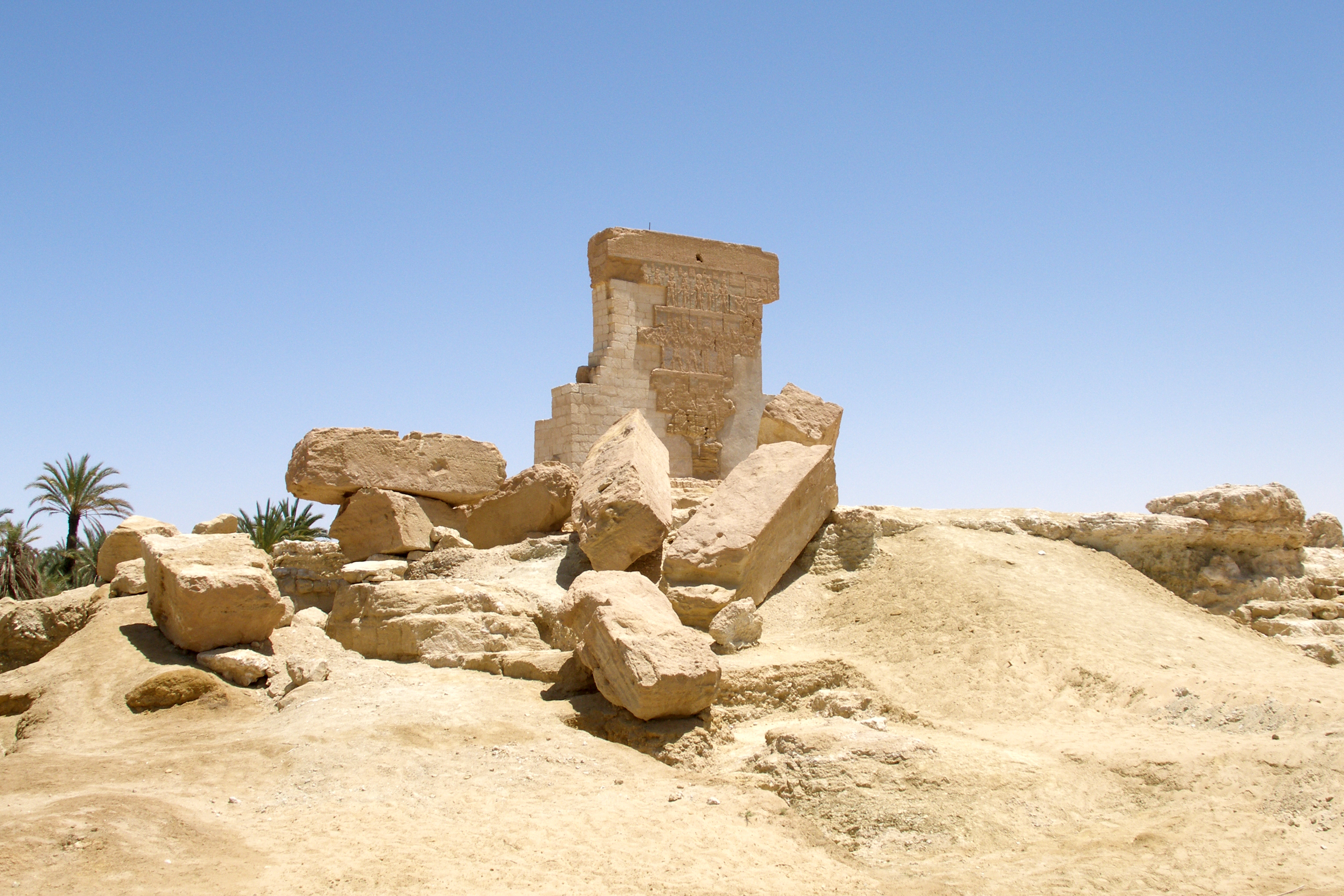
During Antiquity, the Siwa oasis was mostly known for its oracle of the Egyptian god Ammon. This temple, built by Pharaoh Ahmosis II (570-526), was popularized by the Cyrenaican Greeks. Later on, Siwa would sometimes be called Ammonium, or “oasis of Ammon”.
After the Persian conquest of Egypt, in 525, Persian Emperor Cambyses II sent an army of 50.000 men to take control of Siwa. His army never reached the oasis: it was entirely lost in the desert, without a trace.
Alexander the Great, after his conquest of Egypt and the foundation of his new capital in Alexandria, went to Siwa, to consult the oracle of Ammon. This was a difficult trip for him: his caravan got lost in the desert, faced a sandstorm, and lacked water. When he arrived, the oracle proclaimed him “son of Ammon”, making him a god and confirming his legitimacy as Pharaoh of Egypt.
On his death bed, Alexander the Great expressed the wish to be buried in the Temple of Ammon in Siwa. He was finally buried in Alexandria.

Legend has it that Queen Cleopatra of Egypt also visited Siwa, to consult the oracle of Ammon, but mostly to bathe in its natural hot-water sources, which were famous for their curative and relaxing qualities. A water source in which she allegedly bathed was named after her. Today, thermal tourism is highly popular in Siwa.
After Egypt became part of the Roman Empire, the Siwa Oasis and its oracle also came under Roman authority. The Romans started using Siwa and the other oases in the Western Egyptian desert as banishment places for political prisoners.
Some of the prisoners who were exiled in Siwa were Christians who were persecuted by the Roman authorities. Bishop Athanasius of Alexandria mentions that several Egyptian church leaders were exiled to Siwa. A recently-discovered text confirms that there was a bishop of Siwa during the 4th Century. After the Roman Empire became officially Christian, the old oracle of Ammon was allegedly transformed into a church and dedicated to the Virgin Mary. However, Christianity seems to have had quite little impact on the indigenous populations of the oasis, who were only superficially Christian at the time of the arrival of Islam.
Islam arrived in Siwa in 708, when the troops of Musa ibn Nusayr besieged the oasis. The local populations retreated into their fortress and bravely resisted the invader, even pushing him back. Soon later, Tariq ibn Ziyad also failed to conquer the oasis. Islam would finally gain a foothold in Siwa only several centuries later, around 1150.
Not long after that, the Siwan population almost entirely disappeared, with only around 40 men left, due to relentless attacks by Bedouin tribes. Because of this, in the 13th Century, the remaining population built a new city: the fortress of Shali, that can still be visited today. Egyptian historian al-Maqrizi mentions that by the end of the 13th Century, the Siwa oasis had around 600 inhabitants, speaking a language “similar to the language of the Zenata”.
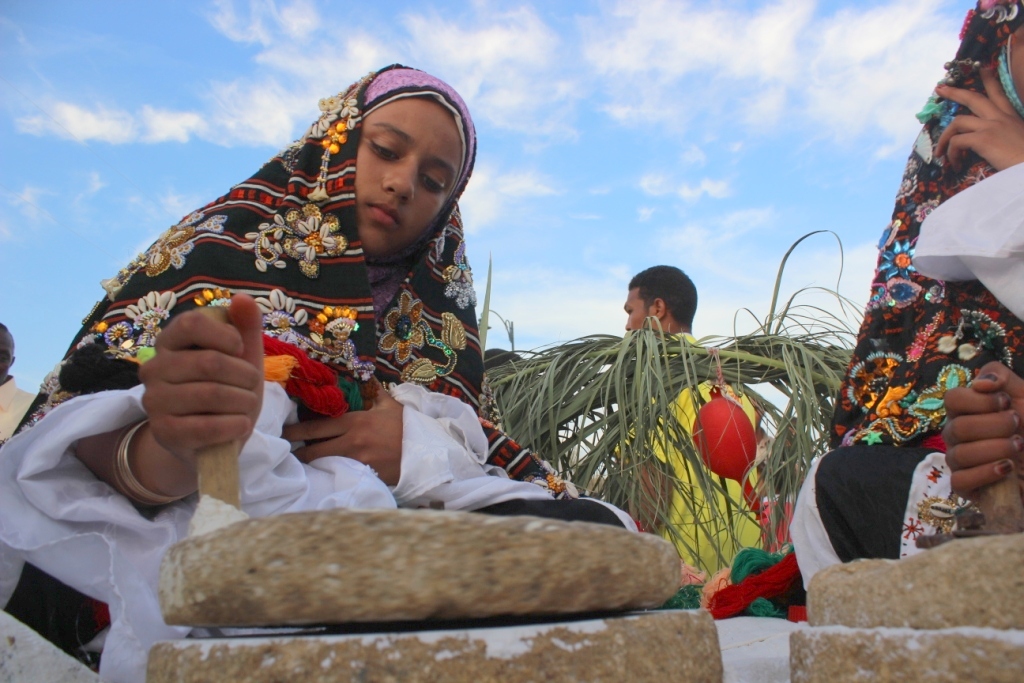
Nowadays, the Siwa oasis has around 30.000 inhabitants, mostly Amazigh. The local Amazigh language, Siwi, is related to the Amazigh languages of the Libyan desert. Sedentarized Bedouins also live in the oasis. Most of the population is Muslim, but there is also a Coptic Christian community. The oasis’ unique natural landscapes and rich historical and cultural heritage continue to fascinate visitors.
