

Français – عربي – ⵜⴰⵎⴰⵣⵉⵖⵜ – English
The ancient cities of Leptis Magna and Oea (Tripoli) were rivals since their foundation. In spring 70 CE, the inhabitants of Oea profited from an internal crisis in the Roman Empire to declare war on their old enemy. With the help of the Garamantes, they attacked Leptis Magna and ravaged the surrounding countryside.
Context

By the end of the reign of Emperor Nero, who was becoming more and more tyrannical, major factions of the Roman army rebelled against him. Nero wad defeated and committed suicide in 68. After his death, the Empire fell into instability, with four Emperors succeeding each other in one year.
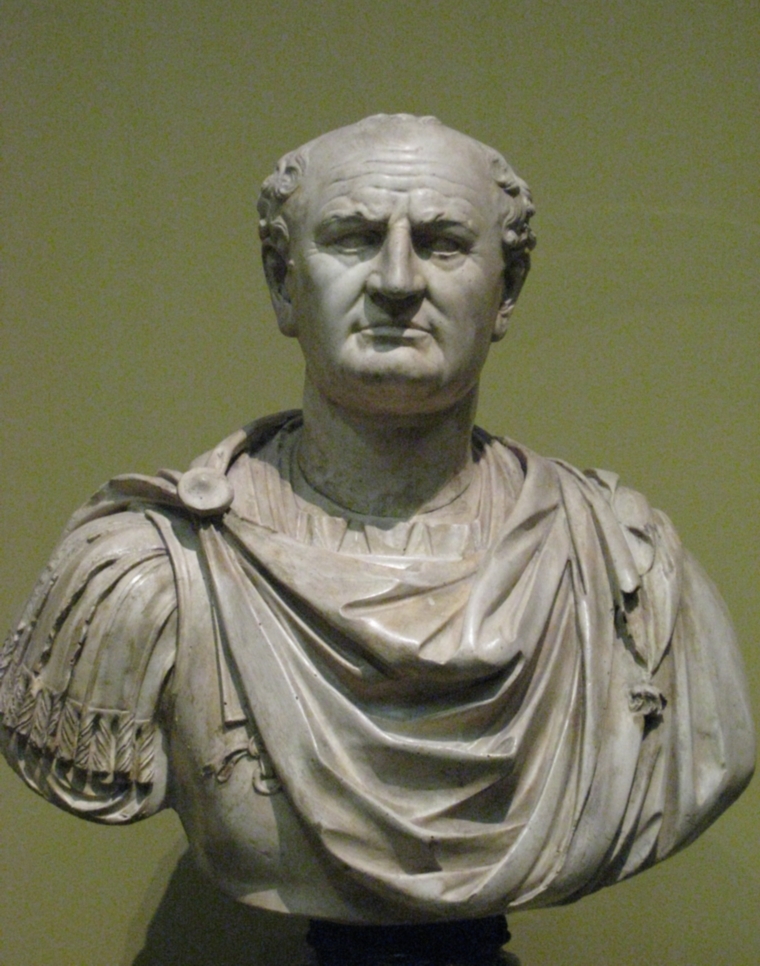
In Africa, the proconsul Lucius Calpurnius Piso supported Vitellius as Emperor. When Vitellius was overthrown by Vespasian, Valerius Festus, the commander of the Roman legions and an ally of Vespasian, killed the proconsul and succeeded him. Detailed article
The war between Oea and Leptis Magna
When the inhabitants of Oea saw that the Roman administration was weakened by the crisis, they seized the opportunity to declare war on their old enemies of Leptis Magna, believing that the new proconsul would not intervene. The official cause of the conflict tensions between farmers of the two cities over harvest and cattle theft. The war was actually a continuation of their ancestral rivalry.
As the inhabitants of Oea were heavily outnumbered, they made an alliance with the Garamantes of the Fezzan. Together, they pillaged the countryside around Leptis Magna and terrorized the city’s inhabitants, who were forced to draw back behind the city walls.

The Roman historian Tacitus recounts these events: “Its origin had been petty – the stealing of crops and herds by the peasants of the two states. But by this time it involved full-scale hostilities and set battles. The reason was that the men of Oea, being outnumbered, had called out the Garamantes, a wild tribe much given to plundering its neighbors. Thus the people of Lepcis had been reduced to sore straits. Their lands had been extensively ravaged, and they were now cowering behind the walls of their capital. But the intervention of the Roman auxiliary horse and foot resulted in the utter defeat of the Garamantes and the recovery of all the loot, apart from that which the nomads had sold to the people of the interior as they wandered from one inaccessible encampment to another.”
Despite the inhabitants of Oea’s expectations that he wouldn’t intervene, the Roman proconsul did send troops to put an end to the conflict. This war might have been the first time that the Roman army used camels.
