

Français – عربي – ⵜⴰⵎⴰⵣⵉⵖⵜ – English
In the 6th Century, the North African bishop Victor of Tunnuna was imprisoned by the Byzantine Emperor Justinian for his refusal to submit to an Imperial edict condemning certain religious writings. In prison, he wrote a sequel to the Chronicle of world history started by Julius Africanus.

At the beginning of the 6th Century, the Byzantine Emperor Justinian decided to condemn three religious writings. This decision caused a strong controversy, that divided the Church for several decades. North African bishops and other church leaders got involved in the controversy, resolutely defending the condemned writings and rejecting Imperial interference in Church affairs.
Victor of Tunnuna was the Christian bishop of the city of Tunnuna. This city was located in modern-day Tunisia; its exact location is unknown. Like the other North African bishops, Victor of Tunnuna refused to submit to the Imperial decision. Because of this, he was exiled to the Balearic Islands, and then imprisoned in a monastery in Constantinople. He died in prison.
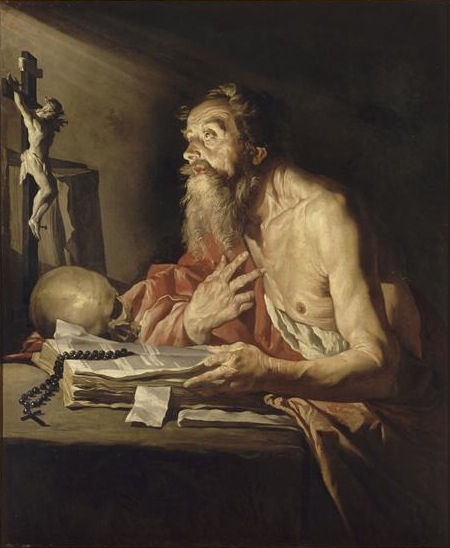
While in prison, Victor of Tunnuna wrote a sequel to an important writing of the ancient Church. The Chronicle, by Julius Africanus, a 2nd-Century North African Christian scholar, is a chronicle of the history of the world, from its creation to the author’s time. It is the first historical book written in a Christian perspective. Julius Africanus’ Chronicle contains the only complete list of winners of the Olympic Games.
In the following centuries, every generation undertook to continue Julius Africanus’ Chronicle by writing on the events that occurred in their lifetime. The first to do this was Eusebius of Caesarea, and then Jerome of Stridon, who translated the Chronicle from Greek into Latin. After him, Prosper of Aquitaine, a disciple of Augustine of Hippo, continued the Chronicle until the mid-5th Century.
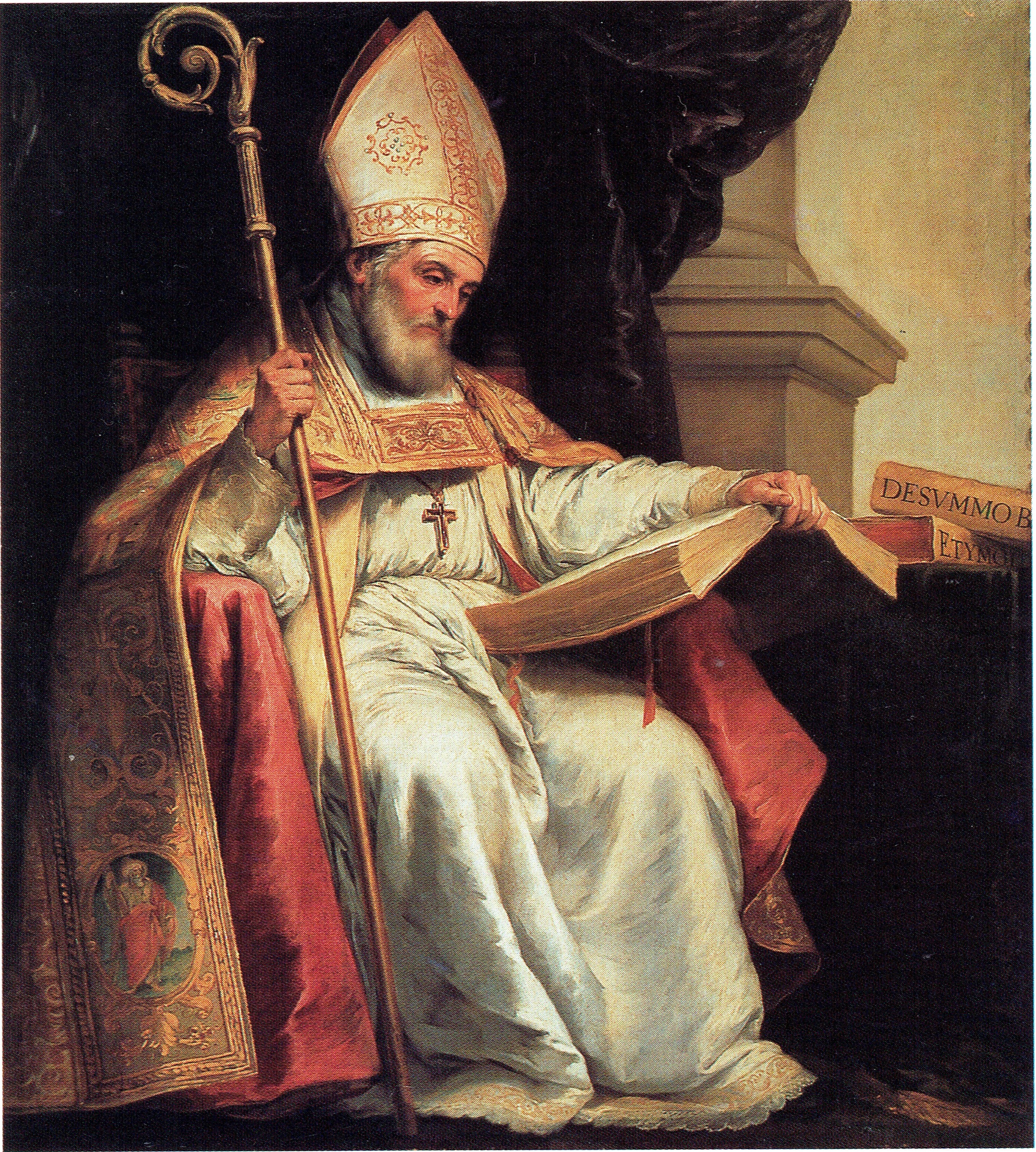
Victor of Tunnuna became the next writer to continue this work, while he was imprisoned in Constantinople. He wrote on the years between 444 and 566, including Vandal Africa and the Byzantine reconquest, as well as the theological controversies in those years. He also mentions how bishop Laetus of Nepta (Nefta, modern-day Tunisia), who had been burned alive for his faith in the Vandal era, appeared in a dream to the Byzantine Emperor Justinian, to beseech him to deliver North Africa from the Vandals.
After Victor of Tunnuna, his work was continued by the Spanish bishop John of Biclaro, who mostly wrote on Byzantine history and on the Visigothic Kings of Spain. The last writer who continued the Chronicle was the 7th-Century bishop Isidore of Sevilla. As Victor of Tunnuna died in prison for refusing to obey the Emperor, Isidore of Sevilla describes him as a martyr.
